Backpacking Stoves Explained for Coffee, Dinner, and Wind
Choose a stove around meals, weather, fuel access, group size, and the way you travel. This guide turns the decision into a practical plan for an ordinary trip, with clear tradeoffs and no invented field-test claims.
Affiliate disclosure: This page may contain retailer links. If a tracked affiliate link is active and you purchase through it, Hike Kit Guide may earn a commission at no extra cost to you. Recommendations are independent and prices are never assumed to be current.
Jump to section
The trail scenario
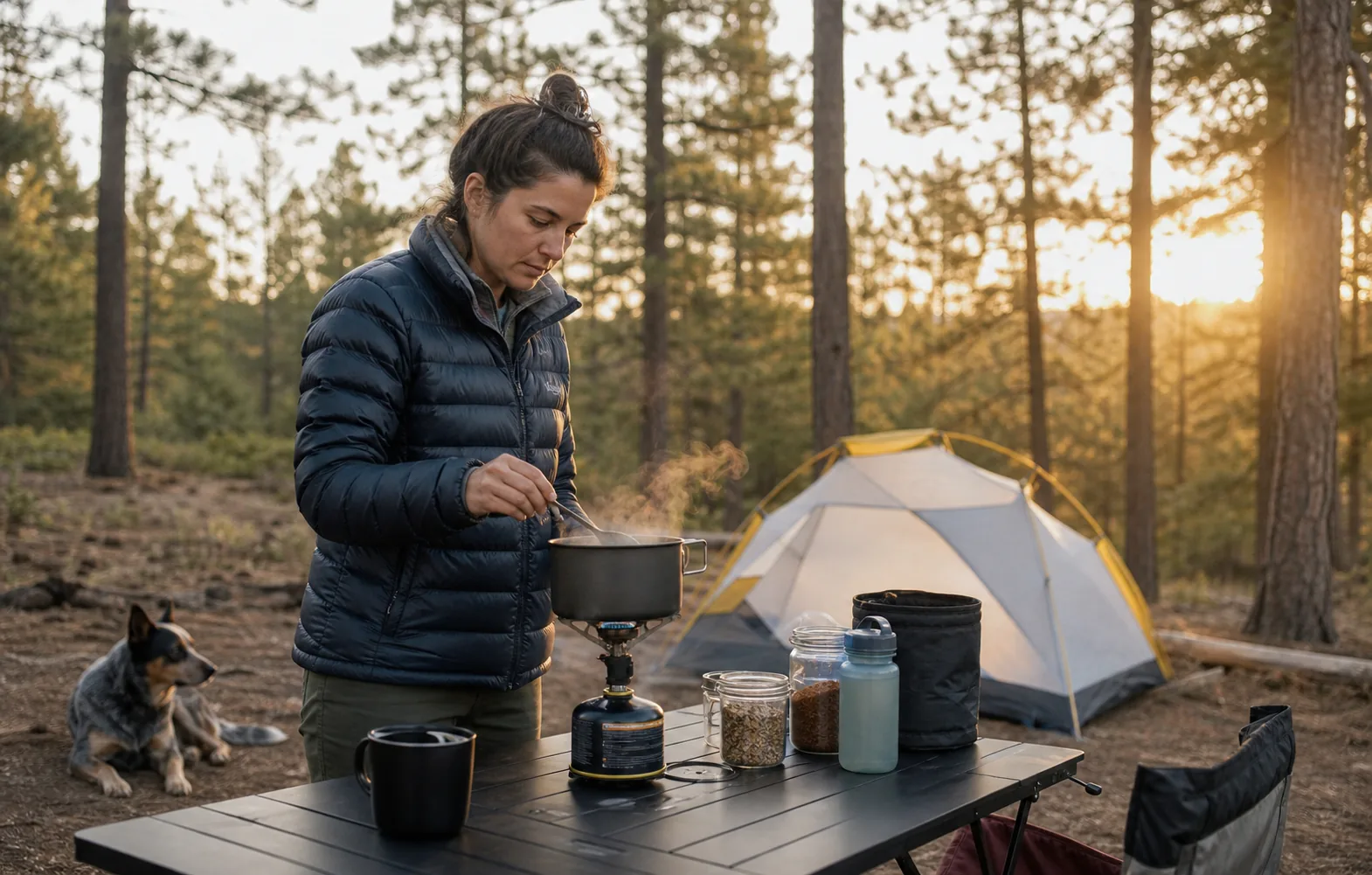
Boiling water for one dehydrated meal is a different job from simmering dinner for two. Add cold wind, an almost-empty canister, and a narrow pot, and the gap between laboratory speed and camp reality becomes obvious.
That scene is the editorial filter for this guide. Specifications are useful only when they help with comfort, safety, access, durability, or a simpler routine. We separate those useful signals from features that mainly make a product page look busy.
Buying priorities
Meal style
Boil-only hikers can prioritize speed and efficiency. Real cooking benefits from flame control, a stable pot platform, and a burner that spreads heat.
Wind management
Wind wastes fuel and can make stoves unsafe. Use terrain, a manufacturer-approved wind strategy, and patience rather than enclosing a canister in a dangerous improvised screen.
Travel and fuel
Airlines restrict fuel. Confirm compatible canisters or permitted fuels at the destination before carrying a stove on a flight.
Use these priorities in order. If an option fails the first requirement, a lower weight, brighter color, or promotional price does not rescue it. Write the tradeoff down before buying so the final choice remains connected to the trip.
Practical options
Compact canister stove
Best forSolo trips and simple meals
Stable arms and glove-friendly control
TradeoffExposed to wind
Integrated boil system
Best forFast water heating and efficient solo routines
Secure pot connection and usable mug shape
TradeoffLimited frying or simmering
Remote-canister stove
Best forLarger pots and cooler conditions
Wide base and manufacturer guidance for fuel use
TradeoffMore components and weight
Merchant and official links open in a new tab. Hike Kit Guide does not display a price unless there is a reliable update process, so confirm current availability, specifications, shipping, and returns at the destination.
Field checklist
- Check local fire restrictions
- Test the stove outdoors before travel
- Carry enough fuel with a margin
- Keep the cooking area ventilated
- Let the stove cool before packing
Run this checklist at home, then once again at the trailhead or accommodation. A short repeat catches the forgotten charger, unfilled bottle, loose strap, or access notice that can change the day.
Mistakes and field notes
Avoid these mistakes
- Cooking inside a closed tent
- Using an unapproved windscreen around a canister
- Packing food that requires more simmer time than fuel allows
Use it well
- Set up on stable mineral ground away from dry vegetation.
- Use a lid to save time and fuel.
- Keep a cold canister off snow with an insulating base that does not enclose it.
Good equipment reduces friction, but judgment still determines the margin. Conditions, regulations, fit, and personal needs can change after this article is published. Recheck the linked primary source and make the conservative choice when the situation differs from the guide.
Frequently asked questions
What matters most when using this buying guide?
For most short trips, a simple canister stove is easy to understand. Integrated systems favor fast boiling, while wider burners improve cooking control. Always account for wind and local fire rules.
Should I buy the lightest option?
Only if it still fits the conditions and your routine. Reliability, comfort, weather protection, and simple operation usually matter more than saving a small amount of weight.
How should I make the final choice?
Write down the conditions you expect, the load or duration involved, and the one tradeoff you are willing to accept. Compare current specifications and return policies before ordering.
Sources and update note
Last checked: 2026-03-22
We use official land-manager, route, manufacturer, or current retailer information where available. External pages can change.