How to Fit a Backpack and Adjust It While Walking
Set torso length, hip-belt position, shoulder contact, and load control with the weight you will carry. This guide turns the decision into a practical plan for an ordinary trip, with clear tradeoffs and no invented field-test claims.
Affiliate disclosure: This page may contain retailer links. If a tracked affiliate link is active and you purchase through it, Hike Kit Guide may earn a commission at no extra cost to you. Recommendations are independent and prices are never assumed to be current.
Jump to section
The trail scenario
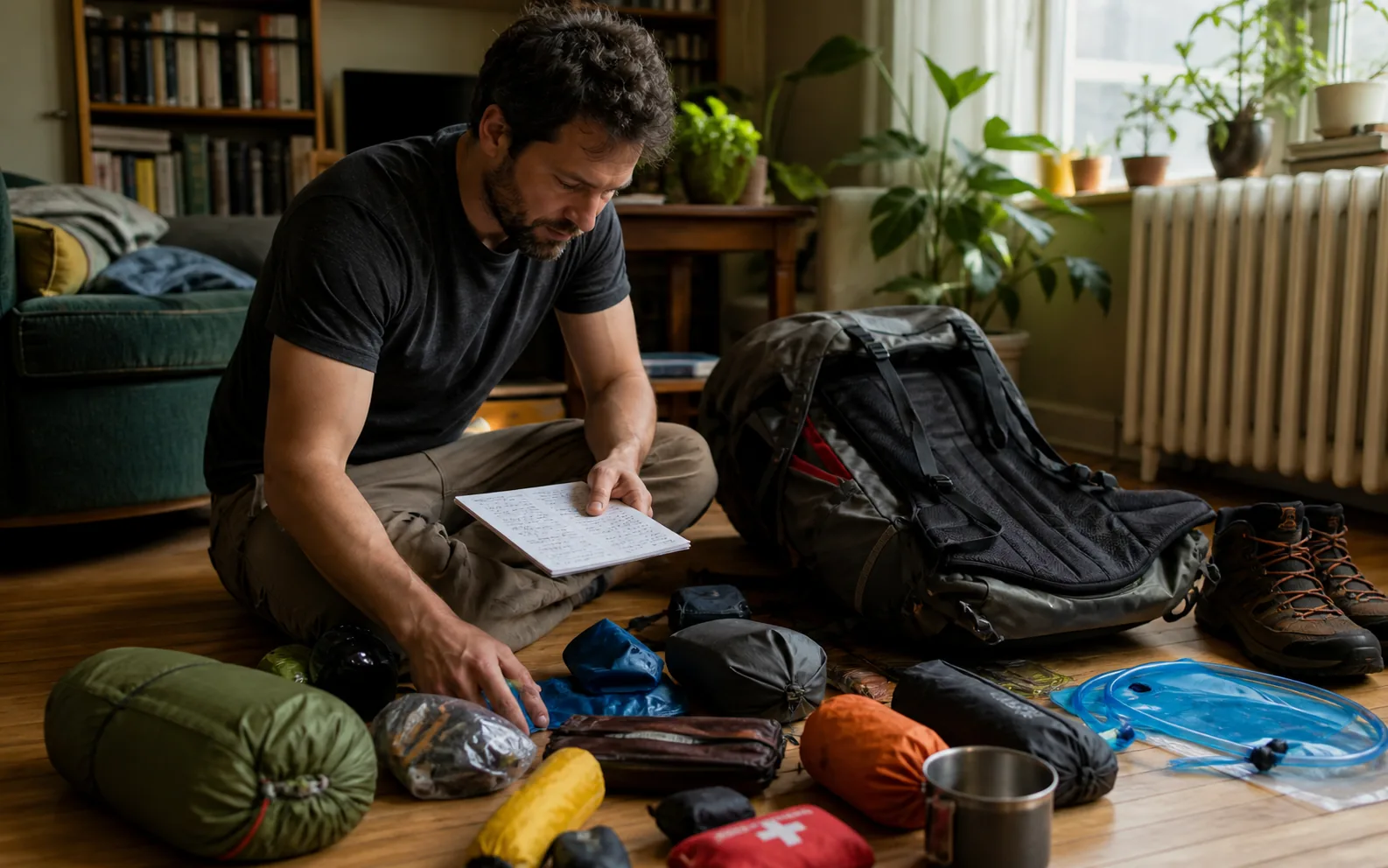
A pack may feel perfect for five minutes in a shop and pull painfully after an hour. The difference is realistic load, body movement, clothing, and whether small adjustments are made as the day changes.
That scene is the editorial filter for this guide. Specifications are useful only when they help with comfort, safety, access, durability, or a simpler routine. We separate those useful signals from features that mainly make a product page look busy.
Buying priorities
Torso and hip belt
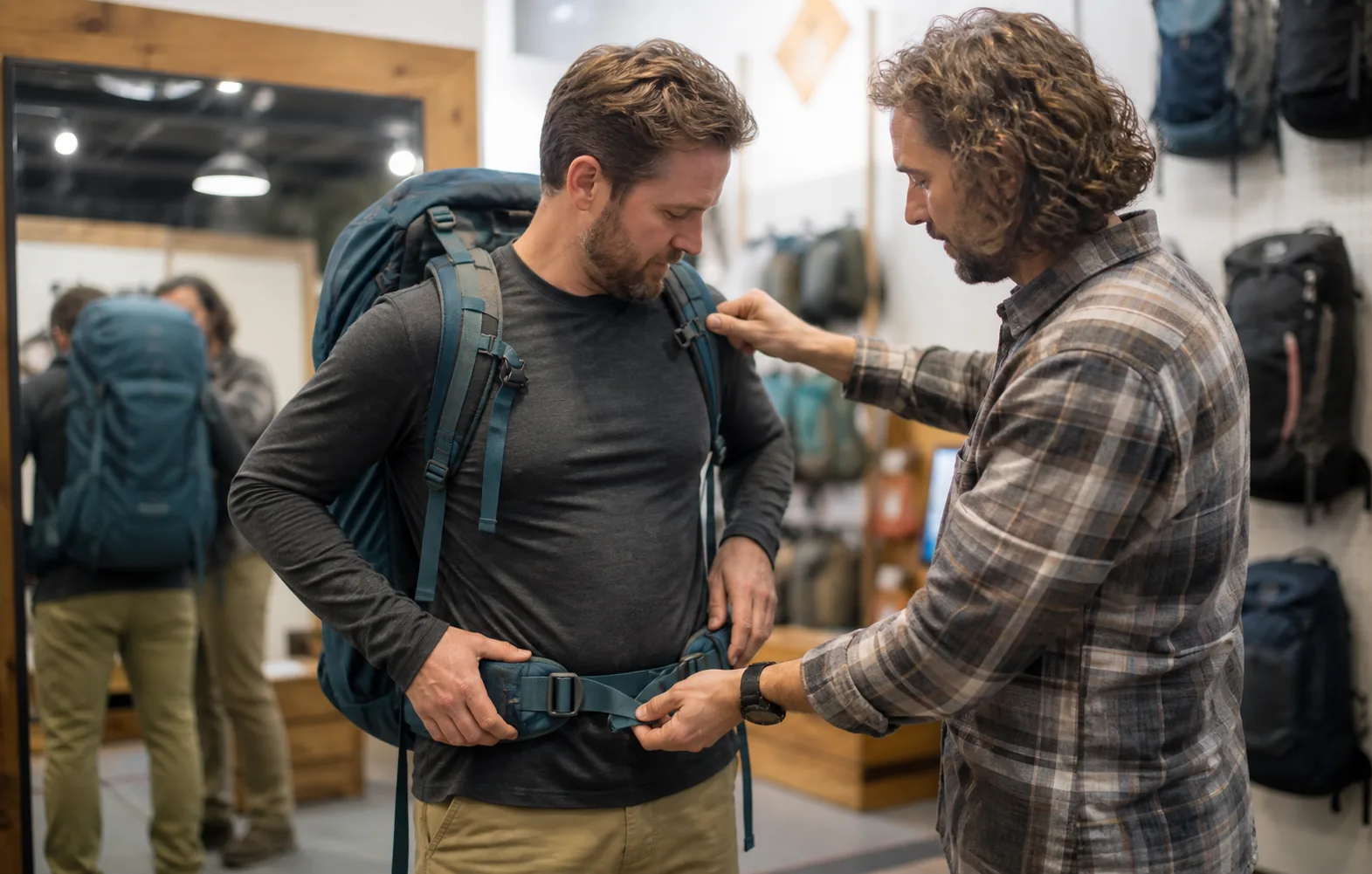
Measure according to the pack maker’s method. The belt should wrap securely without sitting on soft abdomen or restricting the hips.
Shoulder contact
Straps should follow the shoulder without a large gap or carrying the full load. Shape and spacing must suit the user, not just the torso number.
Load and movement
Place dense items close to the back and use compression to prevent sway. Adjust tension on climbs and descents without overtightening everything.
Use these priorities in order. If an option fails the first requirement, a lower weight, brighter color, or promotional price does not rescue it. Write the tradeoff down before buying so the final choice remains connected to the trip.
Practical options
Adjustable-torso pack
Best forFirst-time buyers and changing users
Clear adjustment range and supportive belt
TradeoffMore parts and some extra weight
Fixed-size lightweight pack
Best forExperienced users with a known fit
Correct torso size and comfortable loaded carry
TradeoffLess forgiving if measurements are wrong
Daypack with structured belt
Best forWinter day hikes and heavier personal loads
Real load transfer rather than decorative webbing
TradeoffMore structure than simple walks require
Merchant and official links open in a new tab. Hike Kit Guide does not display a price unless there is a reliable update process, so confirm current availability, specifications, shipping, and returns at the destination.
Field checklist
- Measure torso using the manufacturer method
- Load the pack realistically
- Center the hip belt over the pelvis
- Set shoulders, lifters, then sternum strap
- Walk stairs or an incline before deciding
Run this checklist at home, then once again at the trailhead or accommodation. A short repeat catches the forgotten charger, unfilled bottle, loose strap, or access notice that can change the day.
Mistakes and field notes
Avoid these mistakes
- Tightening shoulder straps until the belt stops carrying
- Choosing size from height alone
- Leaving dense items far from the back
Use it well
- Loosen the sternum strap if breathing or shoulder movement feels restricted.
- Shift small amounts of tension during the day.
- Recheck fit when switching from a shirt to thick winter layers.
Good equipment reduces friction, but judgment still determines the margin. Conditions, regulations, fit, and personal needs can change after this article is published. Recheck the linked primary source and make the conservative choice when the situation differs from the guide.
Frequently asked questions
What matters most when using this how to?
Fit begins with the hip belt over the pelvic structure, then shoulder straps, load lifters, and sternum strap. Revisit tension after walking; a correct fit is a dynamic balance, not maximum tightness.
Should I buy the lightest option?
Only if it still fits the conditions and your routine. Reliability, comfort, weather protection, and simple operation usually matter more than saving a small amount of weight.
How should I make the final choice?
Write down the conditions you expect, the load or duration involved, and the one tradeoff you are willing to accept. Compare current specifications and return policies before ordering.
Sources and update note
Last checked: 2025-10-02
We use official land-manager, route, manufacturer, or current retailer information where available. External pages can change.