Three-Season Sleeping Bags: Plan for the Coldest Quiet Hour
Understand temperature ratings, fit, insulation, and sleep systems before a cold night makes the decision for you. This guide turns the decision into a practical plan for an ordinary trip, with clear tradeoffs and no invented field-test claims.
Affiliate disclosure: This page may contain retailer links. If a tracked affiliate link is active and you purchase through it, Hike Kit Guide may earn a commission at no extra cost to you. Recommendations are independent and prices are never assumed to be current.

Jump to section
The trail scenario
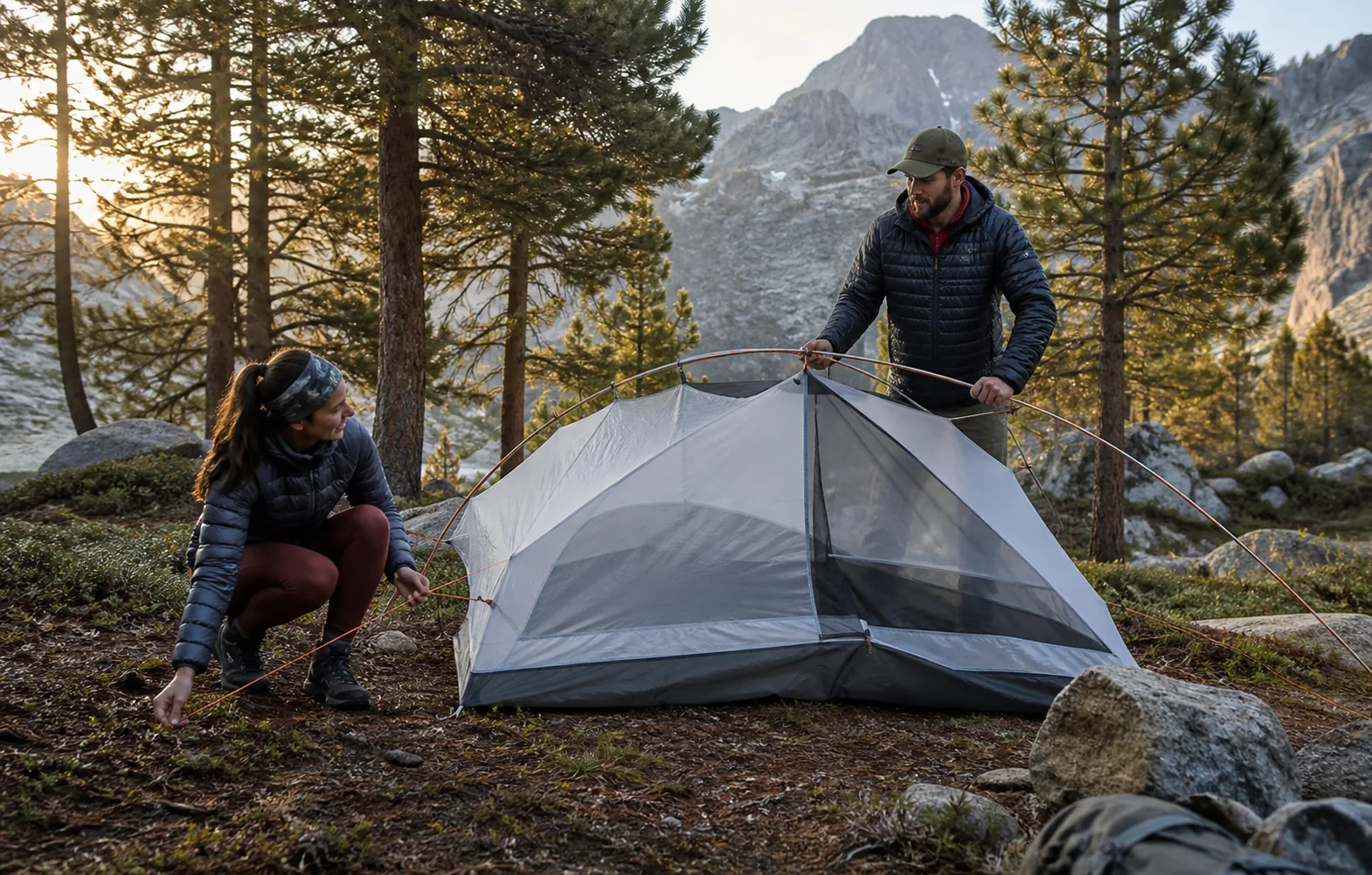
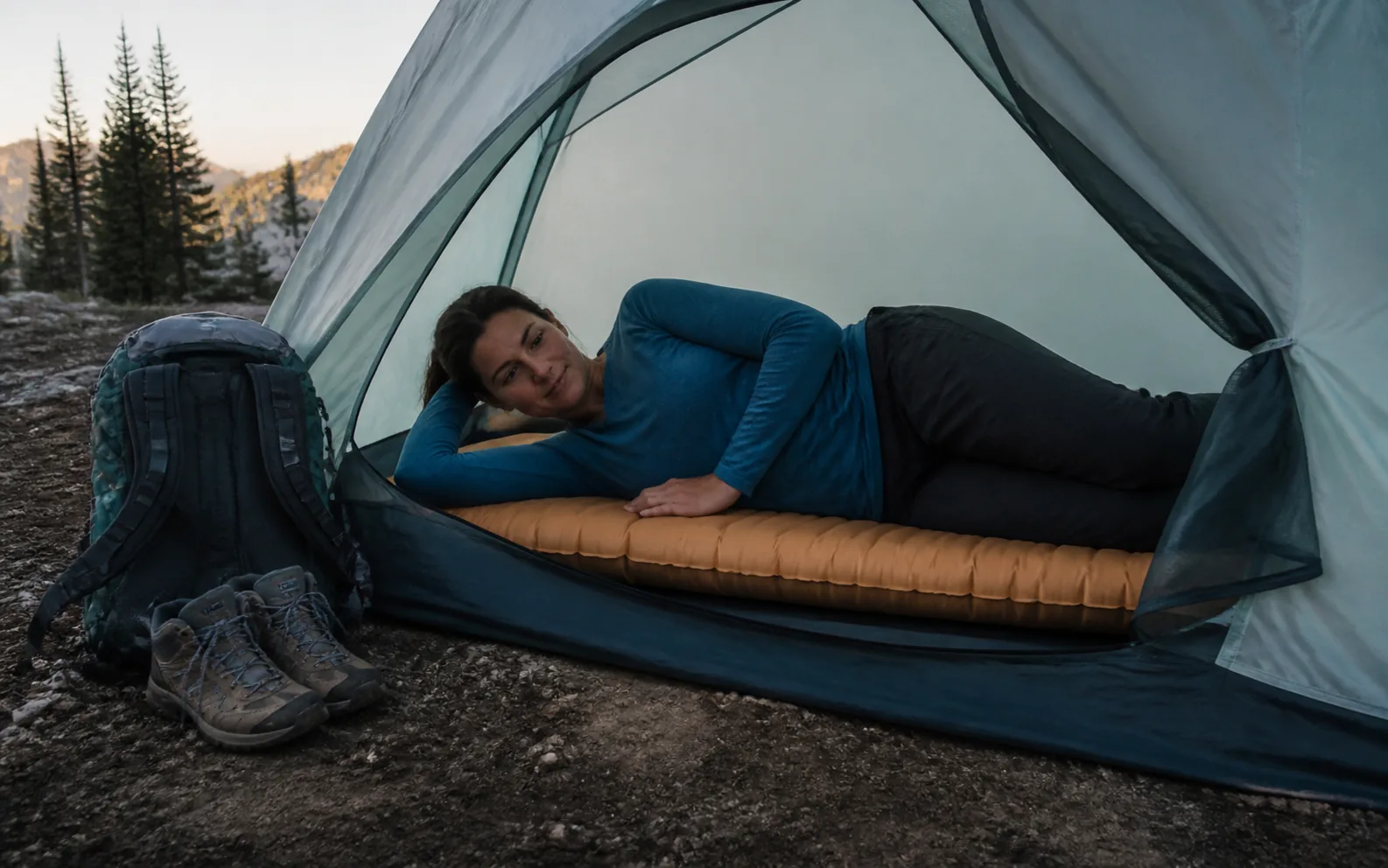
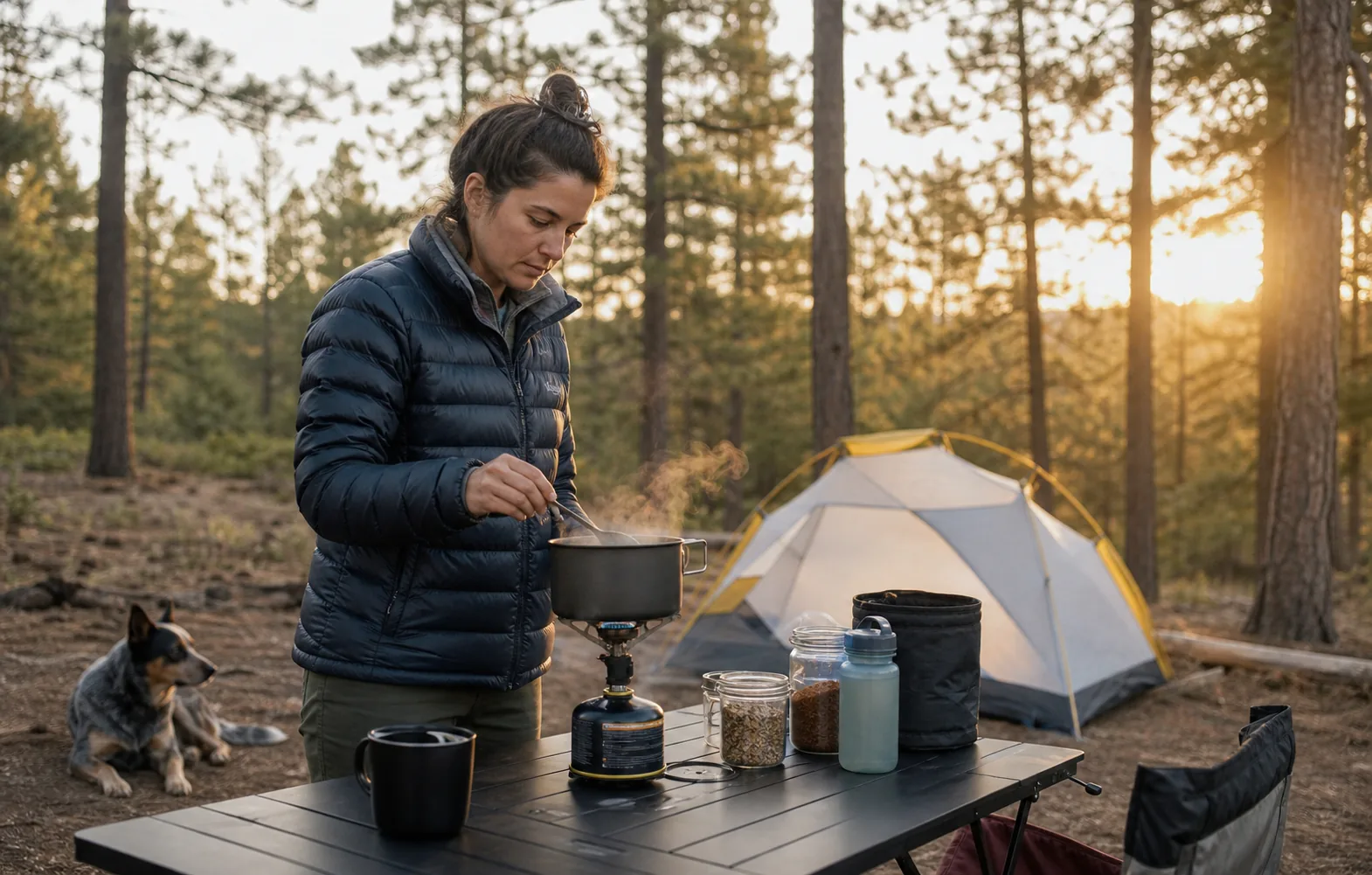
Camp is pleasant at dinner, but the coldest period arrives before sunrise when your body is tired and the ground has pulled heat from the pad for hours. A sensible sleep system is designed for that quiet, colder window.
That scene is the editorial filter for this guide. Specifications are useful only when they help with comfort, safety, access, durability, or a simpler routine. We separate those useful signals from features that mainly make a product page look busy.
Buying priorities
Rating context
Standardized ratings are comparison tools, not personal guarantees. Cold sleepers, fatigue, dampness, wind, and insufficient pad insulation can all change comfort.
Fit and empty space
A bag should allow natural sleep movement without leaving large air spaces that your body must warm. Check shoulder, hip, and foot dimensions.
Down or synthetic
Down packs smaller for its warmth and can last well with care. Synthetic insulation is often easier to manage in consistently damp conditions but usually packs larger.
Use these priorities in order. If an option fails the first requirement, a lower weight, brighter color, or promotional price does not rescue it. Write the tradeoff down before buying so the final choice remains connected to the trip.
Practical options
Roomy mummy bag
Best forBackpackers who move while sleeping
Shaped hood, draft control, and enough knee space
TradeoffSlightly more volume to warm
Lightweight down bag
Best forDry climates and compact packing
Responsible insulation sourcing and usable draft collar
TradeoffHigher cost and careful moisture management
Synthetic three-season bag
Best forHumid routes and budget-conscious camping
Realistic packed size and compatible temperature range
TradeoffBulkier for the same warmth
Merchant and official links open in a new tab. Hike Kit Guide does not display a price unless there is a reliable update process, so confirm current availability, specifications, shipping, and returns at the destination.
Field checklist
- Match the bag with an adequate sleeping pad
- Pack dry sleep layers
- Air the bag when weather allows
- Store uncompressed at home
- Carry the bag in a waterproof liner
Run this checklist at home, then once again at the trailhead or accommodation. A short repeat catches the forgotten charger, unfilled bottle, loose strap, or access notice that can change the day.
Mistakes and field notes
Avoid these mistakes
- Treating a lower-limit rating as guaranteed comfort
- Wearing damp hiking clothing to bed
- Ignoring pad insulation while upgrading the bag
Use it well
- Eat and hydrate before sleep so the body has energy to stay warm.
- Loosen tight clothing that restricts circulation.
- Vent the bag early if you are sweating; moisture becomes a problem later.
Good equipment reduces friction, but judgment still determines the margin. Conditions, regulations, fit, and personal needs can change after this article is published. Recheck the linked primary source and make the conservative choice when the situation differs from the guide.
Frequently asked questions
What matters most when using this buying guide?
Treat the bag as one part of a system with the pad, sleep clothing, shelter, food, and your personal cold tolerance. Choose a realistic comfort margin rather than relying on one headline temperature.
Should I buy the lightest option?
Only if it still fits the conditions and your routine. Reliability, comfort, weather protection, and simple operation usually matter more than saving a small amount of weight.
How should I make the final choice?
Write down the conditions you expect, the load or duration involved, and the one tradeoff you are willing to accept. Compare current specifications and return policies before ordering.
Sources and update note
Last checked: 2026-07-06
We use official land-manager, route, manufacturer, or current retailer information where available. External pages can change.