Ultralight Packing for Beginners Without Chasing a Number
Reduce unnecessary weight by improving the system, not by removing the safety margin. This guide turns the decision into a practical plan for an ordinary trip, with clear tradeoffs and no invented field-test claims.
Affiliate disclosure: This page may contain retailer links. If a tracked affiliate link is active and you purchase through it, Hike Kit Guide may earn a commission at no extra cost to you. Recommendations are independent and prices are never assumed to be current.
Jump to section
The trail scenario
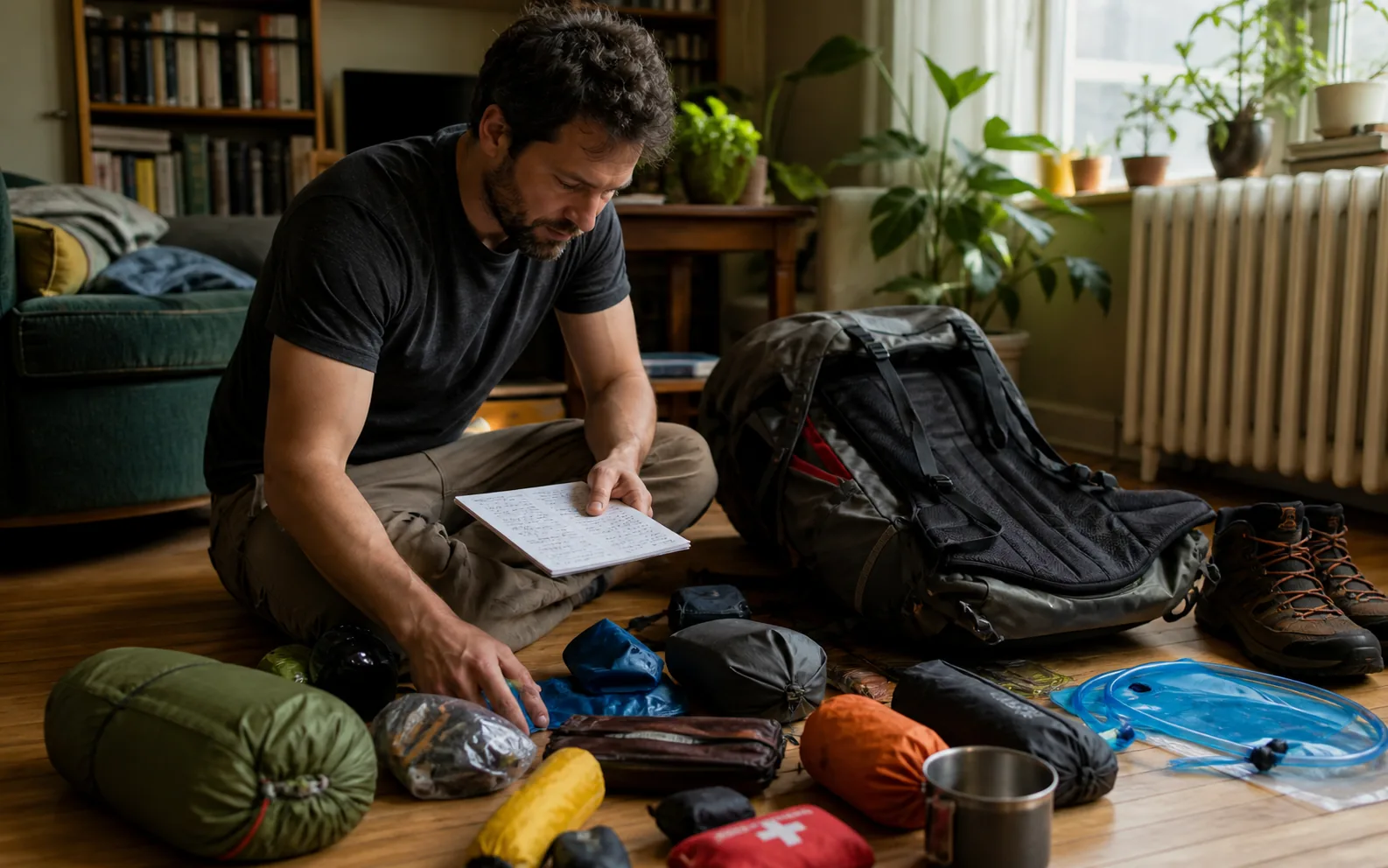
The first lighter pack often comes from leaving the third spare shirt and oversized toiletries at home, not from buying an expensive shelter. Observation reveals the easy weight before money does.
That scene is the editorial filter for this guide. Specifications are useful only when they help with comfort, safety, access, durability, or a simpler routine. We separate those useful signals from features that mainly make a product page look busy.
Buying priorities
Audit before shopping
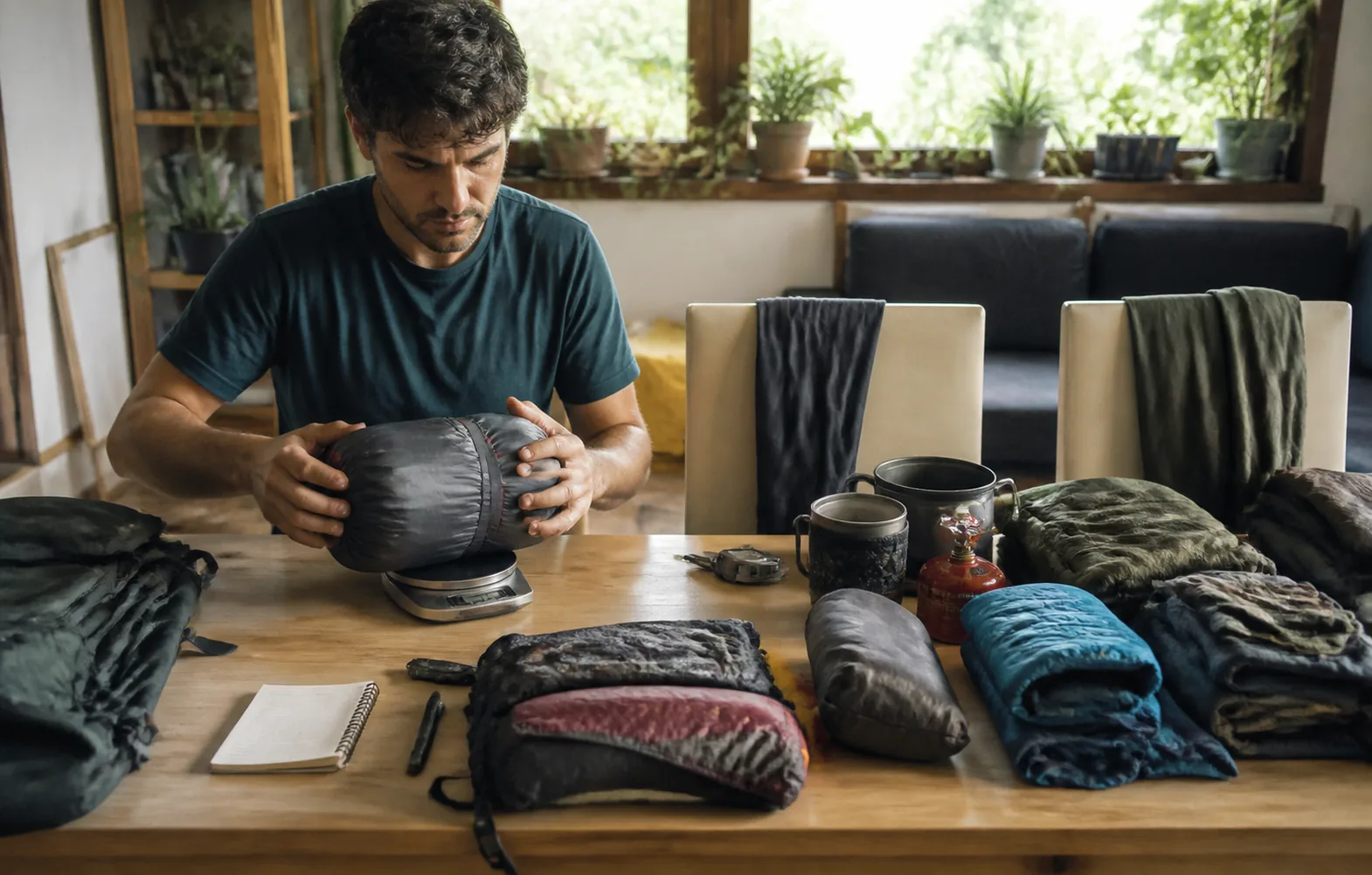
Weigh every item and note whether it was used, shared, or duplicated. Keep safety and condition-specific equipment separate from comfort extras.
Fix the big systems
Shelter, sleep, and pack are large weight categories, but changes interact. A smaller pack works only after the rest of the kit truly fits.
Protect reliability
Do not cut insulation, water capacity, navigation, or repair capability below the route’s needs. Skills and experience should guide reductions.
Use these priorities in order. If an option fails the first requirement, a lower weight, brighter color, or promotional price does not rescue it. Write the tradeoff down before buying so the final choice remains connected to the trip.
Practical options
Digital luggage scale
Best forBuilding a factual gear list
Repeatable readings and simple units
TradeoffDoes not decide what is safe
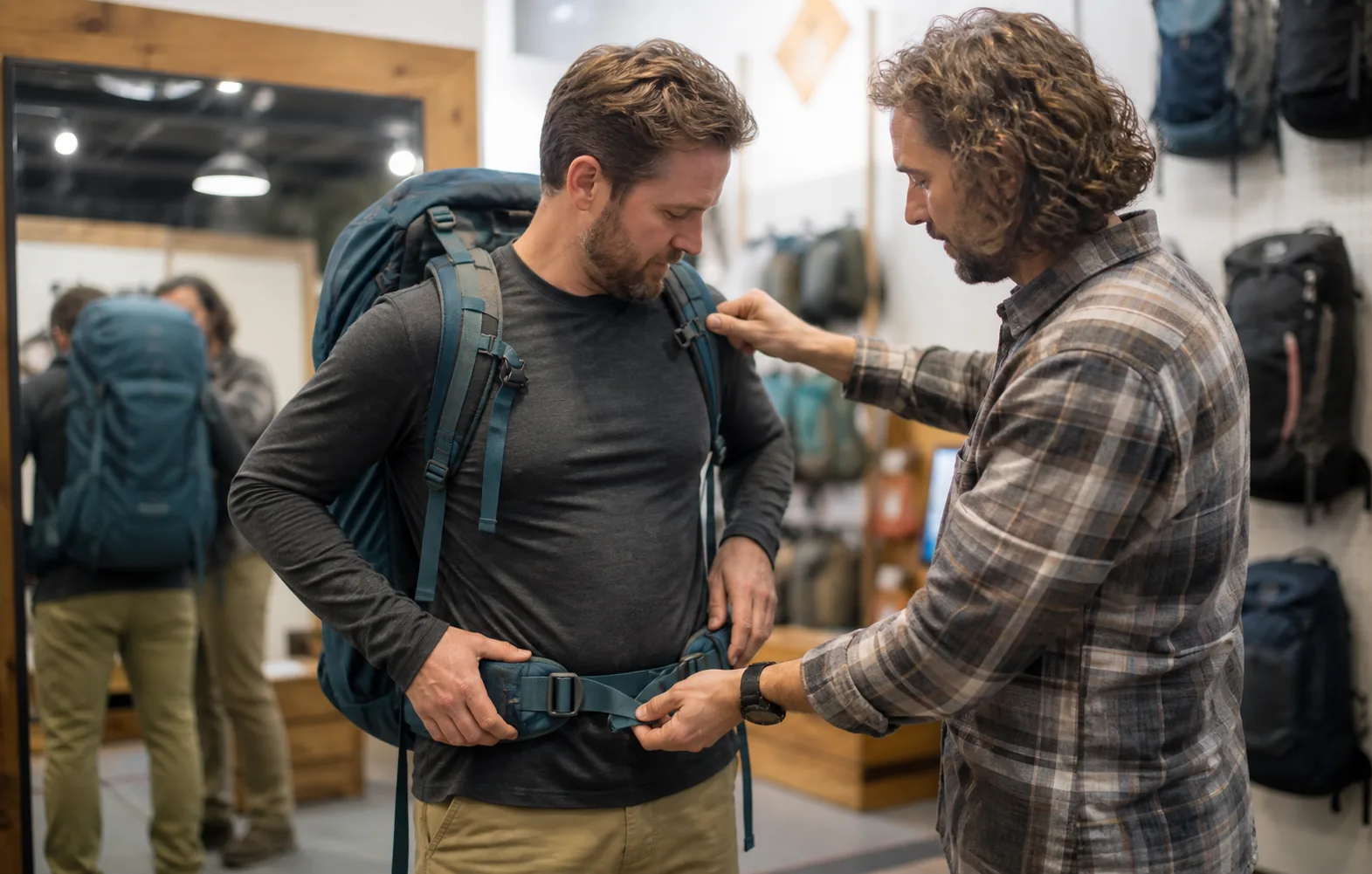
Lightweight pack after the audit
Best forA stable reduced-volume kit
Comfort at the new realistic load
TradeoffPoor carry if downsized too early
Compact sleep system
Best forReducing bulk and major weight
Warmth appropriate to the full system
TradeoffOften the most expensive upgrade
Merchant and official links open in a new tab. Hike Kit Guide does not display a price unless there is a reliable update process, so confirm current availability, specifications, shipping, and returns at the destination.
Field checklist
- Weigh the current complete kit
- Remove duplicates first
- Share group items deliberately
- Test one change per trip
- Keep a route-specific safety margin
Run this checklist at home, then once again at the trailhead or accommodation. A short repeat catches the forgotten charger, unfilled bottle, loose strap, or access notice that can change the day.
Mistakes and field notes
Avoid these mistakes
- Buying a small pack before reducing volume
- Counting worn items inconsistently to win a number
- Removing warm layers because the forecast looks pleasant
Use it well
- Photograph the packed kit and note what stayed untouched.
- Use sample sizes and refillable toiletries for an easy travel reduction.
- Comfort that improves sleep and foot health can be worth its weight.
Good equipment reduces friction, but judgment still determines the margin. Conditions, regulations, fit, and personal needs can change after this article is published. Recheck the linked primary source and make the conservative choice when the situation differs from the guide.
Frequently asked questions
What matters most when using this how to?
Weigh and list what you already carry, remove duplicates, choose multipurpose items, and upgrade only after the pattern is clear. A safe, comfortable kit matters more than an arbitrary base-weight target.
Should I buy the lightest option?
Only if it still fits the conditions and your routine. Reliability, comfort, weather protection, and simple operation usually matter more than saving a small amount of weight.
How should I make the final choice?
Write down the conditions you expect, the load or duration involved, and the one tradeoff you are willing to accept. Compare current specifications and return policies before ordering.
Sources and update note
Last checked: 2024-11-05
We use official land-manager, route, manufacturer, or current retailer information where available. External pages can change.