Headlamps for Night Hiking: A Calm, Practical Buying Guide
Understand beams, controls, batteries, and backup lighting before your next pre-dawn start. This guide turns the decision into a practical plan for an ordinary trip, with clear tradeoffs and no invented field-test claims.
Affiliate disclosure: This page may contain retailer links. If a tracked affiliate link is active and you purchase through it, Hike Kit Guide may earn a commission at no extra cost to you. Recommendations are independent and prices are never assumed to be current.

Jump to section
The trail scenario
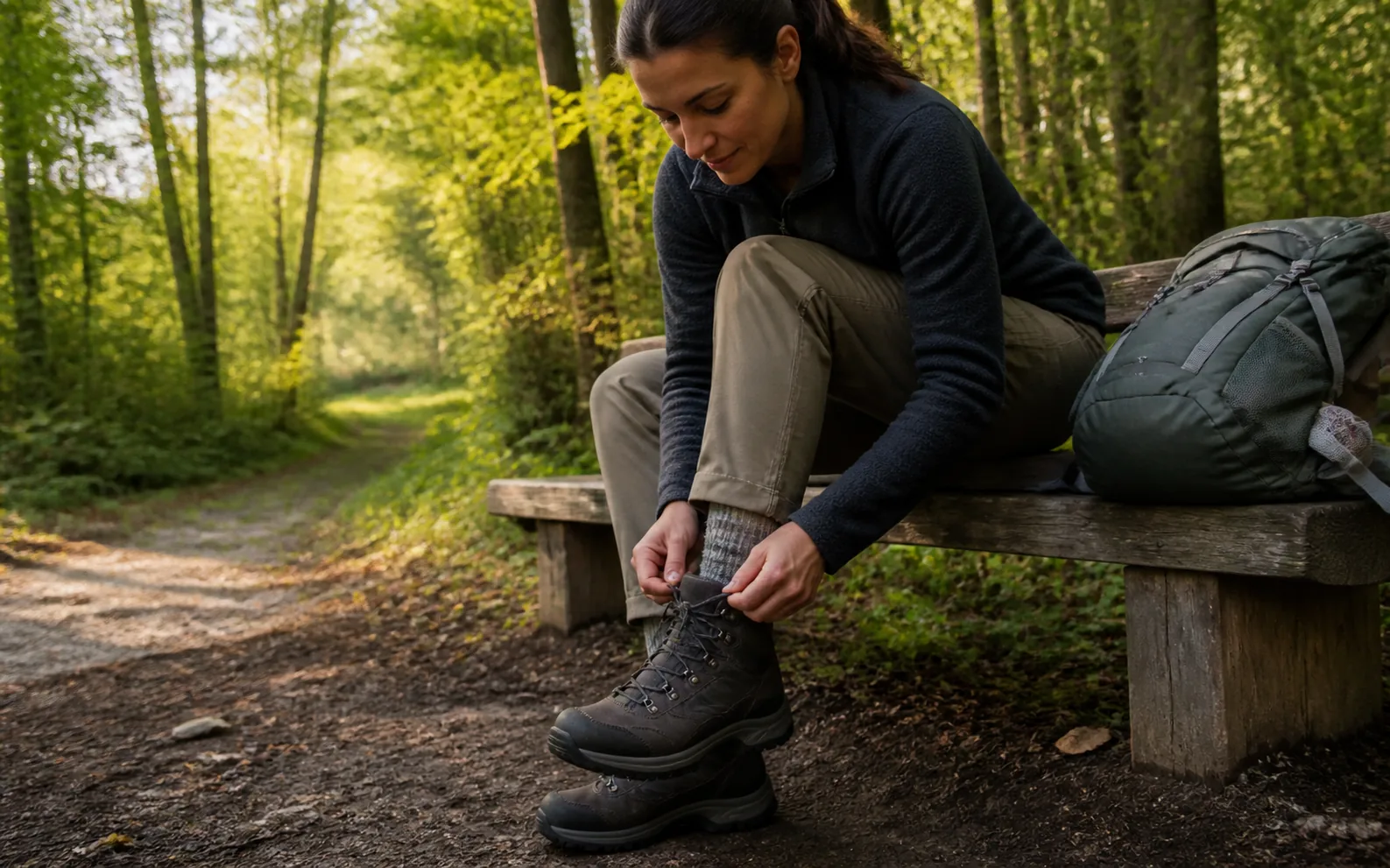
A sunset walk runs long after a slow meal at the viewpoint. The trail home is familiar, but roots look different in a narrow beam. A headlamp with predictable controls and a comfortable strap turns the walk into a normal finish rather than a phone-battery emergency.
That scene is the editorial filter for this guide. Specifications are useful only when they help with comfort, safety, access, durability, or a simpler routine. We separate those useful signals from features that mainly make a product page look busy.
Buying priorities
Beam shape
A broad low beam is comfortable for walking; a focused spot helps check markers farther ahead. Many hikers benefit from a blended beam more than an extreme headline output.
Controls and lockout
Separate or well-spaced controls reduce mode confusion. A lockout prevents the lamp from turning on inside a pack.
Battery routine
Rechargeable systems reduce waste, while replaceable cells can simplify long trips. Some hybrid lamps support both, giving travelers useful flexibility.
Use these priorities in order. If an option fails the first requirement, a lower weight, brighter color, or promotional price does not rescue it. Write the tradeoff down before buying so the final choice remains connected to the trip.
Practical options
Compact rechargeable lamp
Best forDay hikers carrying emergency light
Simple lockout and battery indicator
TradeoffLimited runtime on high output
Hybrid-battery lamp
Best forTravel and multi-day flexibility
Rechargeable pack plus common-cell compatibility
TradeoffExtra battery management
Weather-ready trail lamp
Best forRegular night hiking and winter use
Glove-friendly buttons and stable strap
TradeoffMore weight and complexity
Merchant and official links open in a new tab. Hike Kit Guide does not display a price unless there is a reliable update process, so confirm current availability, specifications, shipping, and returns at the destination.
Field checklist
- Charge or replace batteries before leaving
- Activate travel lockout
- Pack a small backup light
- Test red and low modes at home
- Keep the lamp accessible before dusk
Run this checklist at home, then once again at the trailhead or accommodation. A short repeat catches the forgotten charger, unfilled bottle, loose strap, or access notice that can change the day.
Mistakes and field notes
Avoid these mistakes
- Using a phone flash as the only light
- Storing a lamp unlocked
- Running maximum output when a lower setting preserves night vision
Use it well
- Aim the beam slightly down to preserve other hikers’ night vision.
- Warm a cold battery inside a pocket if performance drops in winter.
- Use the lowest safe mode and briefly increase output for route checks.
Good equipment reduces friction, but judgment still determines the margin. Conditions, regulations, fit, and personal needs can change after this article is published. Recheck the linked primary source and make the conservative choice when the situation differs from the guide.
Frequently asked questions
What matters most when using this buying guide?
Choose a headlamp that is easy to operate with cold hands, has a useful low mode, and fits your battery routine. Maximum output matters less than dependable control and a backup plan.
Should I buy the lightest option?
Only if it still fits the conditions and your routine. Reliability, comfort, weather protection, and simple operation usually matter more than saving a small amount of weight.
How should I make the final choice?
Write down the conditions you expect, the load or duration involved, and the one tradeoff you are willing to accept. Compare current specifications and return policies before ordering.
Sources and update note
Last checked: 2025-01-31
We use official land-manager, route, manufacturer, or current retailer information where available. External pages can change.