How to Choose a Rain Jacket for Real Trail Weather
Balance protection, ventilation, fit, and durability for the weather you actually encounter. This guide turns the decision into a practical plan for an ordinary trip, with clear tradeoffs and no invented field-test claims.
Affiliate disclosure: This page may contain retailer links. If a tracked affiliate link is active and you purchase through it, Hike Kit Guide may earn a commission at no extra cost to you. Recommendations are independent and prices are never assumed to be current.

Jump to section
The trail scenario
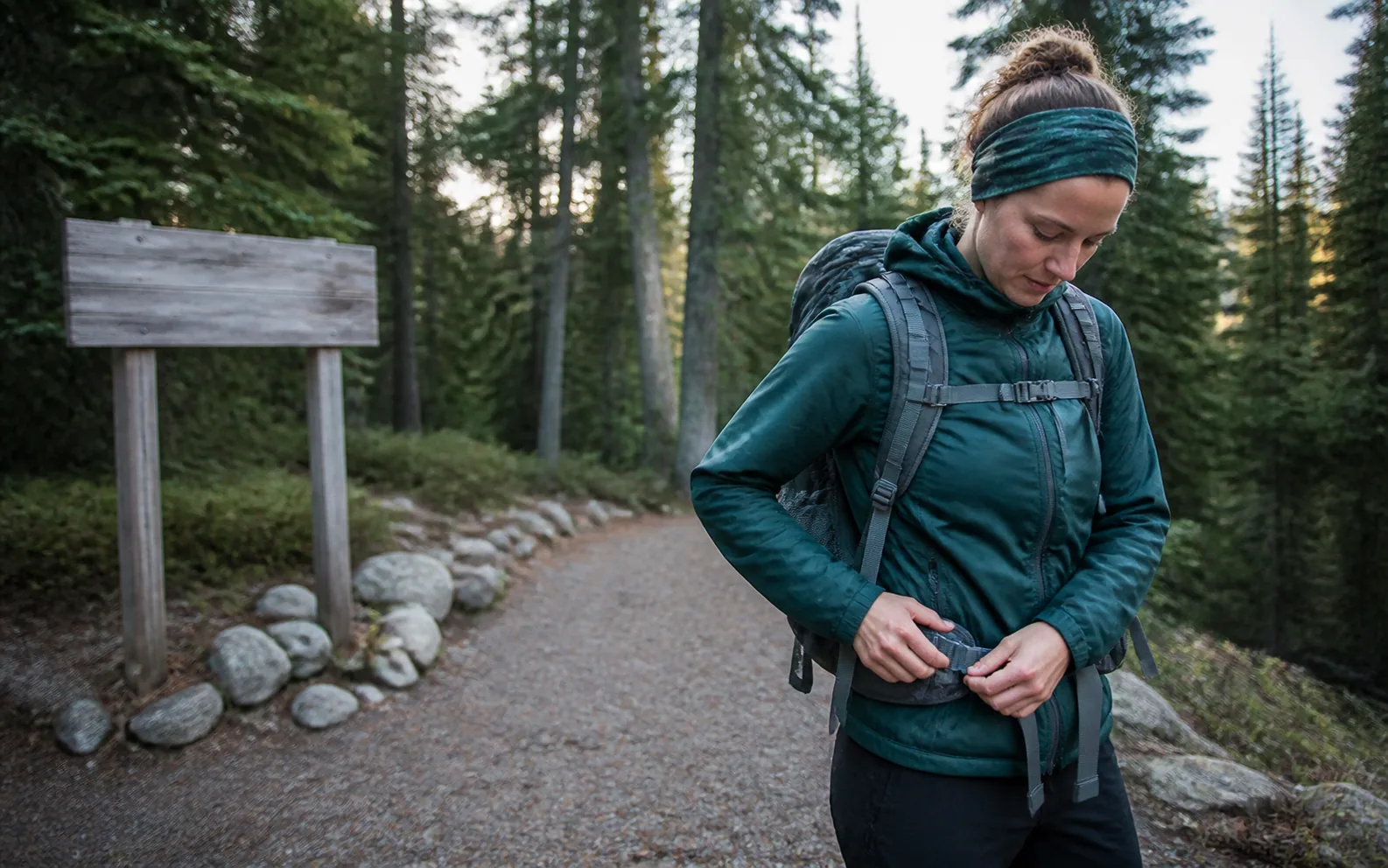
Rain often arrives while you are already warm from climbing. A shell that keeps water out but cannot dump heat soon feels damp from the inside. Good rainwear works as part of a pacing and layering system, not as a magic dry bubble.
That scene is the editorial filter for this guide. Specifications are useful only when they help with comfort, safety, access, durability, or a simpler routine. We separate those useful signals from features that mainly make a product page look busy.
Buying priorities
Hood and cuff control
A shaped hood should turn with your head and protect without blocking side vision. Adjustable cuffs help seal over gloves or open for cooling.
Ventilation
Pit zips, pocket vents, and a smooth front zipper offer practical temperature control. Breathability claims cannot compensate for hard effort in humid air.
Fabric and repairability
Lighter shells pack small but need more care around rock and brush. A slightly heavier face fabric can be a better long-term choice for frequent use.
Use these priorities in order. If an option fails the first requirement, a lower weight, brighter color, or promotional price does not rescue it. Write the tradeoff down before buying so the final choice remains connected to the trip.
Practical options
Minimal emergency shell
Best forShort day hikes with a stable forecast
Reliable hood and full front zip
TradeoffLimited venting and durability
All-round hiking shell
Best forRegular wet-weather day hikes
Pit zips, adjustable hood, and backpack-compatible pockets
TradeoffModerate weight and cost
Durable mountain shell
Best forRepeated exposure, rough weather, and winter layers
Protective fabric and helmet-compatible adjustment if needed
TradeoffBulky for casual summer use
Merchant and official links open in a new tab. Hike Kit Guide does not display a price unless there is a reliable update process, so confirm current availability, specifications, shipping, and returns at the destination.
Field checklist
- Try the jacket over your warmest planned layer
- Raise both arms and check hem coverage
- Adjust the hood while wearing a cap
- Confirm pockets remain usable with a hip belt
- Carry a small repair patch
Run this checklist at home, then once again at the trailhead or accommodation. A short repeat catches the forgotten charger, unfilled bottle, loose strap, or access notice that can change the day.
Mistakes and field notes
Avoid these mistakes
- Buying too tight for layering
- Waiting until heavy rain to vent
- Using fabric softener on technical shells
Use it well
- Put the shell on before you are soaked; a calm stop is easier than dressing in a downpour.
- Clean rainwear according to its care label because dirt and oils reduce surface performance.
- Keep insulation separate and protected in a pack liner.
Good equipment reduces friction, but judgment still determines the margin. Conditions, regulations, fit, and personal needs can change after this article is published. Recheck the linked primary source and make the conservative choice when the situation differs from the guide.
Frequently asked questions
What matters most when using this buying guide?
A useful shell seals wind and rain while letting you manage heat. Prioritize hood fit, venting, sleeve coverage, and room for layers before paying for extreme specifications.
Should I buy the lightest option?
Only if it still fits the conditions and your routine. Reliability, comfort, weather protection, and simple operation usually matter more than saving a small amount of weight.
How should I make the final choice?
Write down the conditions you expect, the load or duration involved, and the one tradeoff you are willing to accept. Compare current specifications and return policies before ordering.
Sources and update note
Last checked: 2026-04-10
We use official land-manager, route, manufacturer, or current retailer information where available. External pages can change.