Multitools for Backpacking: Carry Functions You Will Use
Build a compact repair capability without hauling a workshop into the backcountry. This guide turns the decision into a practical plan for an ordinary trip, with clear tradeoffs and no invented field-test claims.
Affiliate disclosure: This page may contain retailer links. If a tracked affiliate link is active and you purchase through it, Hike Kit Guide may earn a commission at no extra cost to you. Recommendations are independent and prices are never assumed to be current.
Jump to section
The trail scenario
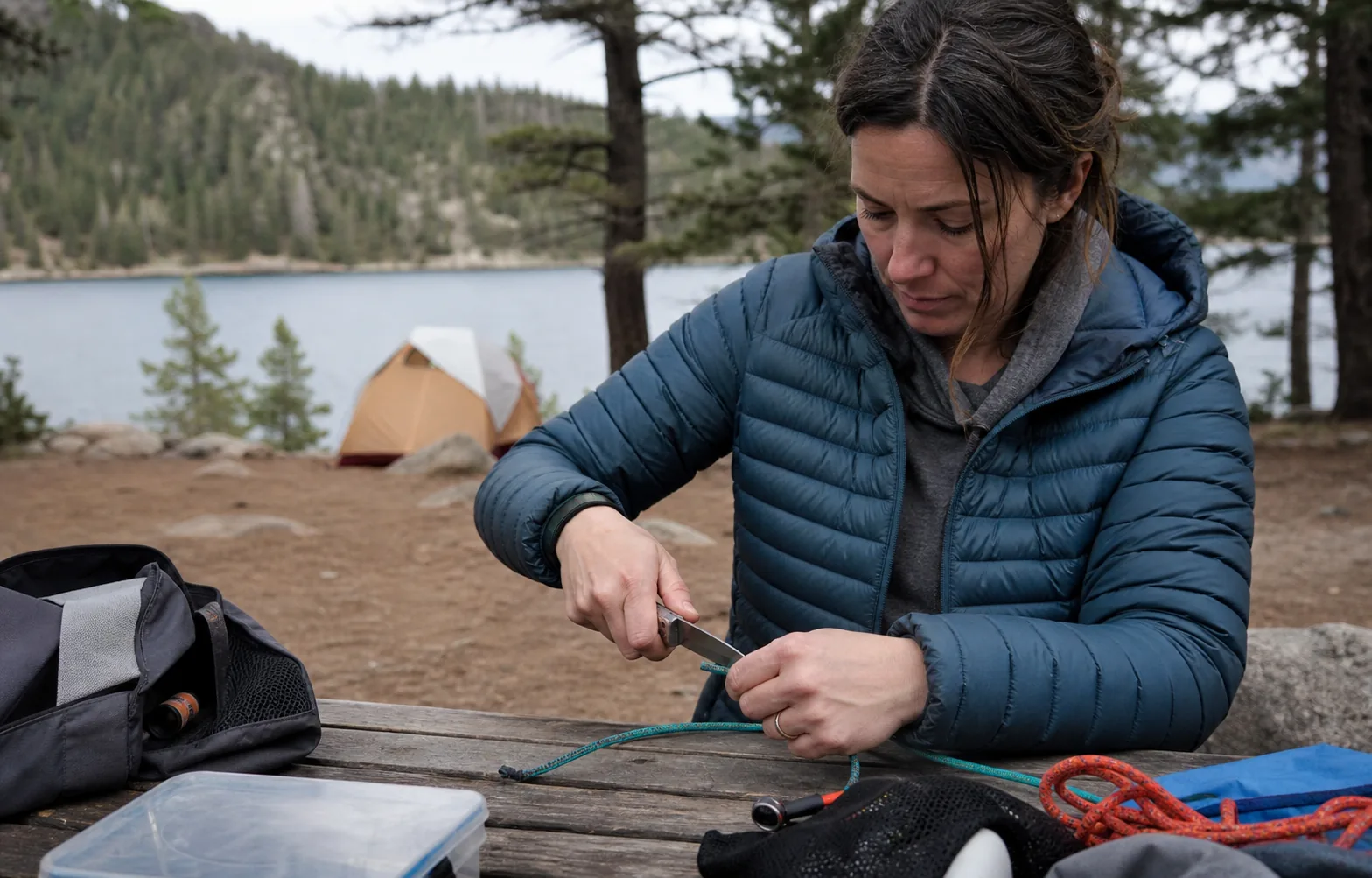
A stove screw loosens, a zipper pull breaks, or a stubborn splinter needs removing. These are small jobs, but a simple repair can keep the trip moving. Twenty unused implements add weight without adding confidence.
That scene is the editorial filter for this guide. Specifications are useful only when they help with comfort, safety, access, durability, or a simpler routine. We separate those useful signals from features that mainly make a product page look busy.
Buying priorities
Useful functions
Inspect your stove, bindings, electronics, and repair hardware. Match driver types and sizes rather than assuming a generic bit will fit.
Safe operation
Locking tools reduce accidental closure. Handles should remain controllable with damp or cold hands, and the blade must be legal where you travel.
Maintenance and rust
Outdoor tools collect grit and moisture. Choose materials and pivot access that you can clean, dry, and lubricate without specialized equipment.
Use these priorities in order. If an option fails the first requirement, a lower weight, brighter color, or promotional price does not rescue it. Write the tradeoff down before buying so the final choice remains connected to the trip.
Practical options
Compact plier multitool
Best forGeneral backpack and stove repairs
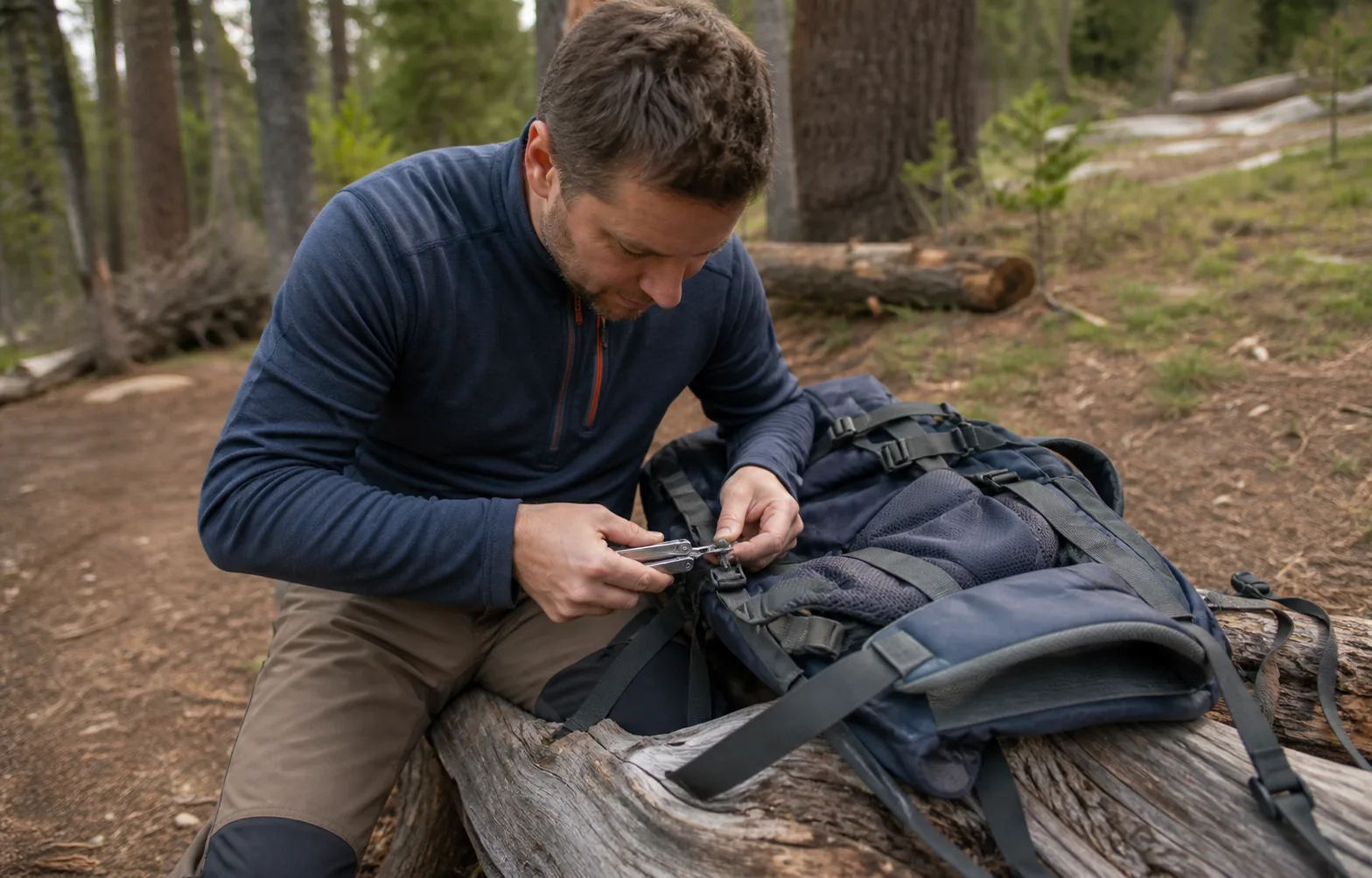
Useful pliers, cutters, drivers, and a locking blade
TradeoffHeavier than a minimal knife
Scissors-first pocket tool
Best forFirst aid, tape, cord, and light fixes
Effective scissors and simple drivers
TradeoffLimited grip for hardware
Bit-driver repair tool
Best forBikes, bindings, and equipment with known fasteners
Exact compatible bits and secure storage
TradeoffNarrower general use
Merchant and official links open in a new tab. Hike Kit Guide does not display a price unless there is a reliable update process, so confirm current availability, specifications, shipping, and returns at the destination.
Field checklist
- Match drivers to your equipment
- Check local knife laws
- Practice opening tools safely
- Clean and dry after wet trips
- Pair the tool with tape, cord, and patches
Run this checklist at home, then once again at the trailhead or accommodation. A short repeat catches the forgotten charger, unfilled bottle, loose strap, or access notice that can change the day.
Mistakes and field notes
Avoid these mistakes
- Paying for a large tool count
- Packing a tool without testing it on your gear
- Using a blade for prying or twisting
Use it well
- Wrap a short length of repair tape around a smooth tool surface or dedicated card.
- Keep small bits in a bright pouch.
- Use the tool at home during packing so its limits are familiar.
Good equipment reduces friction, but judgment still determines the margin. Conditions, regulations, fit, and personal needs can change after this article is published. Recheck the linked primary source and make the conservative choice when the situation differs from the guide.
Frequently asked questions
What matters most when using this buying guide?
List the repairs your actual equipment can need, then choose the smallest dependable tool that covers them. Pliers, a useful blade, scissors, and drivers often matter more than a high tool count.
Should I buy the lightest option?
Only if it still fits the conditions and your routine. Reliability, comfort, weather protection, and simple operation usually matter more than saving a small amount of weight.
How should I make the final choice?
Write down the conditions you expect, the load or duration involved, and the one tradeoff you are willing to accept. Compare current specifications and return policies before ordering.
Sources and update note
Last checked: 2026-06-25
We use official land-manager, route, manufacturer, or current retailer information where available. External pages can change.