Trail Runners vs. Hiking Shoes: Pick for the Miles You Walk
A clear comparison of grip, cushion, durability, protection, and drying time for ordinary hikers. This guide turns the decision into a practical plan for an ordinary trip, with clear tradeoffs and no invented field-test claims.
Affiliate disclosure: This page may contain retailer links. If a tracked affiliate link is active and you purchase through it, Hike Kit Guide may earn a commission at no extra cost to you. Recommendations are independent and prices are never assumed to be current.
Jump to section
The trail scenario
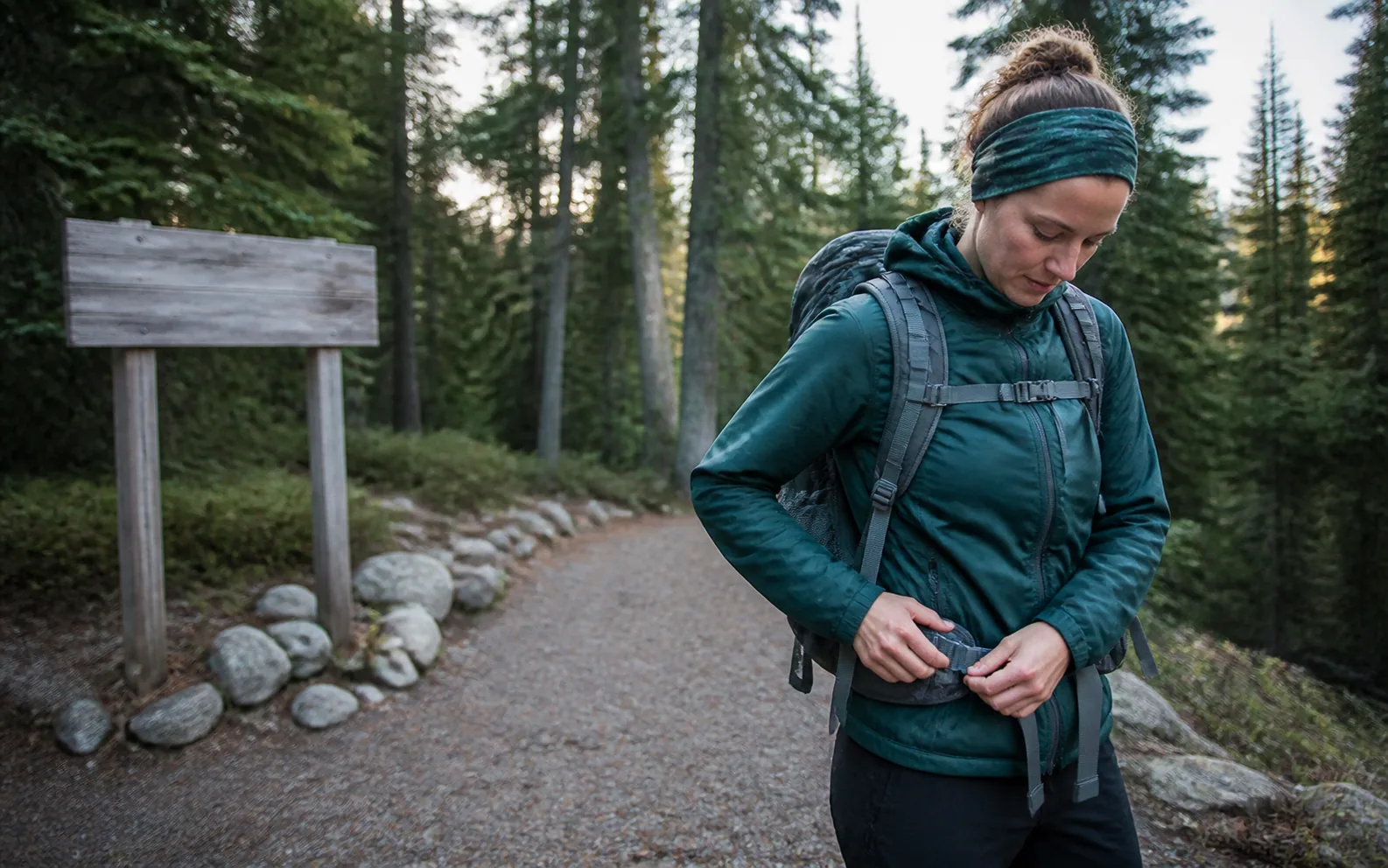
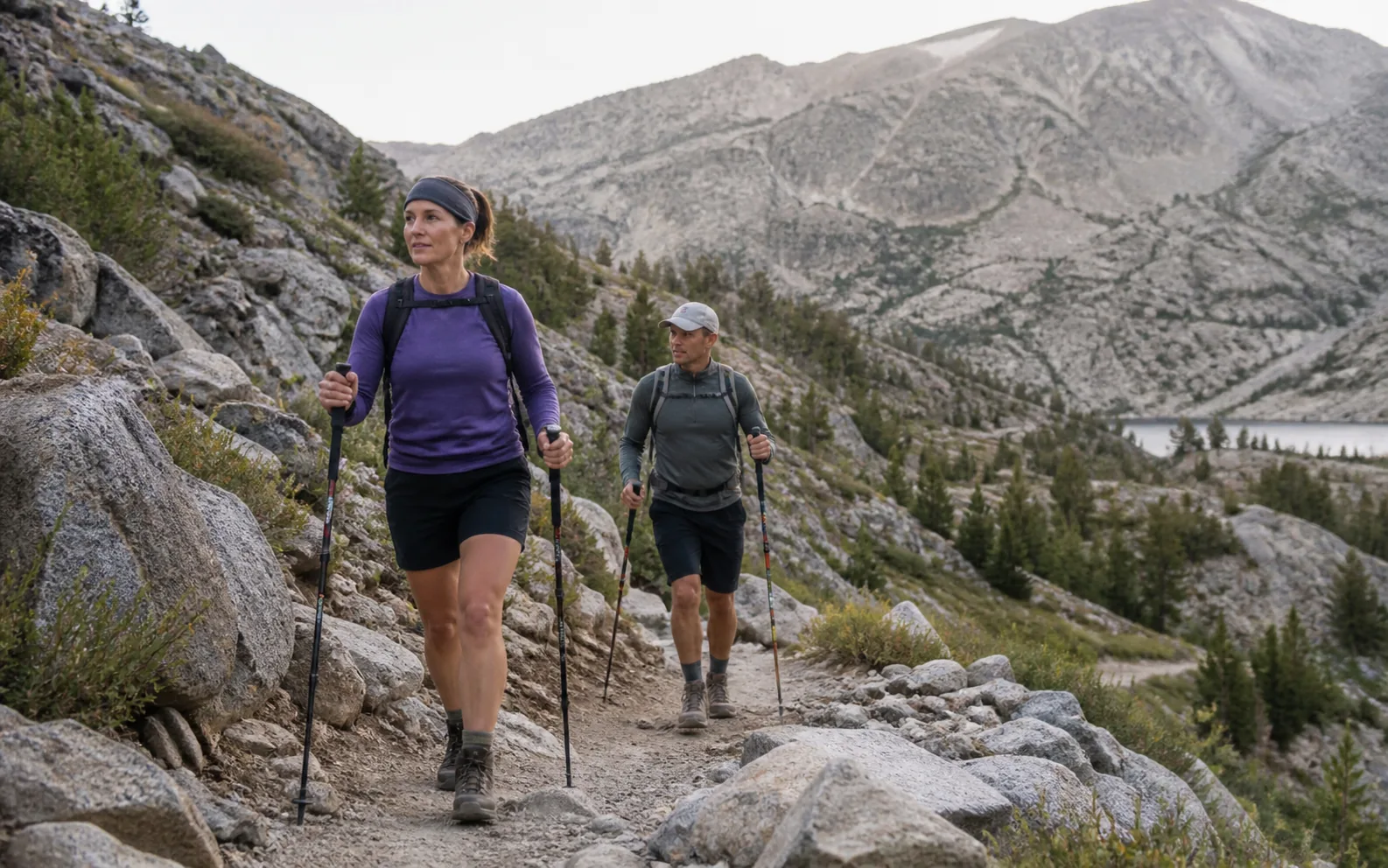
On a dry woodland loop, a light trail runner may feel effortless. Add sharp scree, a loaded pack, or several consecutive days, and a more protective hiking shoe can reduce foot fatigue. Neither category wins everywhere.
That scene is the editorial filter for this guide. Specifications are useful only when they help with comfort, safety, access, durability, or a simpler routine. We separate those useful signals from features that mainly make a product page look busy.
Buying priorities
Underfoot protection
Rock plates, midsole density, and outsole structure determine how much sharp terrain reaches the foot. Softer shoes feel lively but can tire feet on rough ground.
Drying versus sealing
Breathable footwear usually dries faster after a crossing. Waterproof liners help in shallow wet grass or cold mud but can trap heat and take longer to dry once flooded.
Durability versus ride
Soft compounds and light uppers often trade longevity for comfort and grip. Frequent hikers should consider how outsole wear changes traction over time.
Use these priorities in order. If an option fails the first requirement, a lower weight, brighter color, or promotional price does not rescue it. Write the tradeoff down before buying so the final choice remains connected to the trip.
Practical options
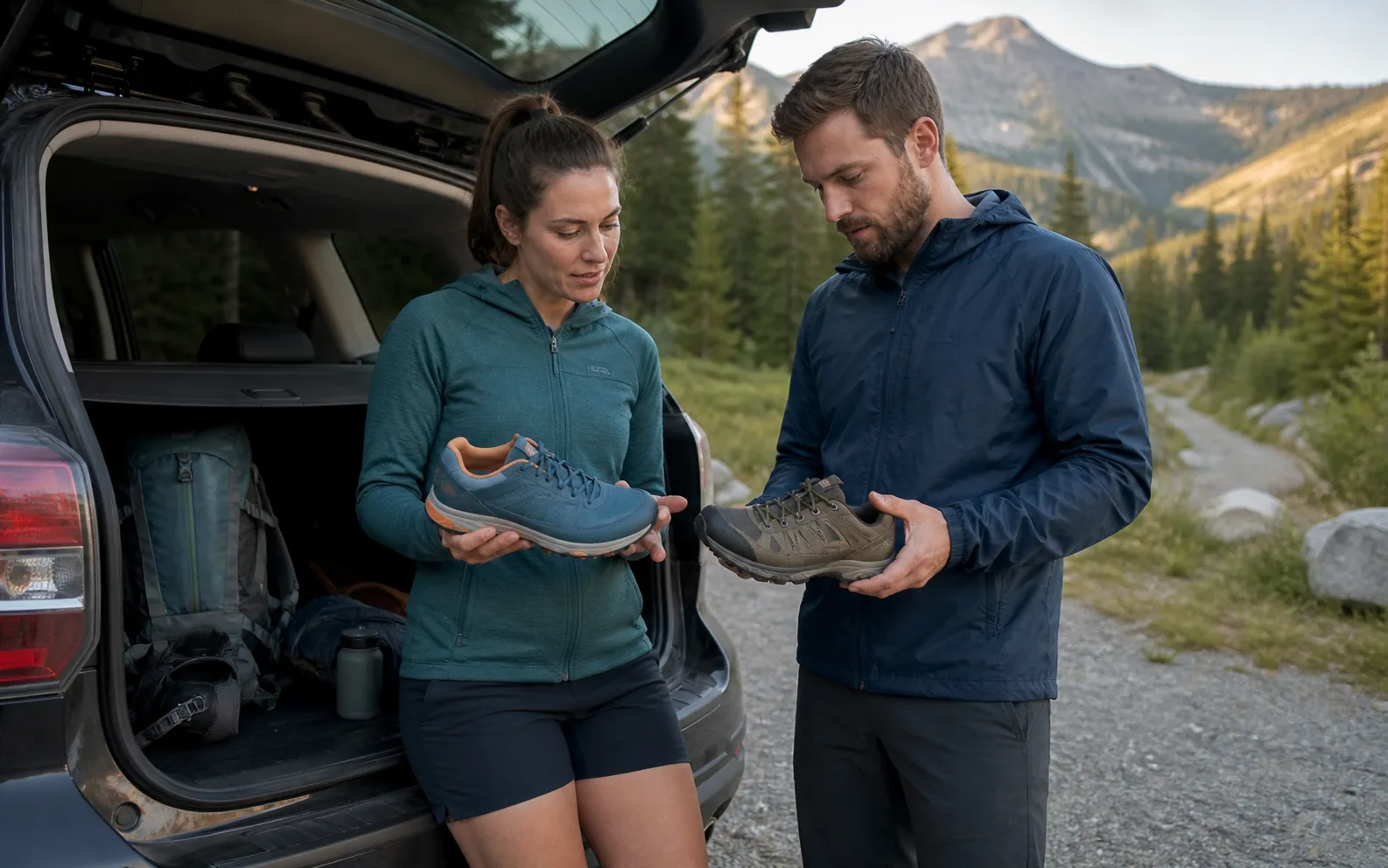
Cushioned trail runner
Best forDry trails, faster days, and lighter packs
Secure fit and outsole suited to local soil
TradeoffLess toe and side protection
Protective hiking shoe
Best forRocky ground and regular day hiking
Stable platform and durable toe rand
TradeoffHeavier and often slower to dry
Waterproof low shoe
Best forCold, wet shoulder-season walks
Good fit with thicker socks
TradeoffWarmer in summer and vulnerable if water enters from above
Merchant and official links open in a new tab. Hike Kit Guide does not display a price unless there is a reliable update process, so confirm current availability, specifications, shipping, and returns at the destination.
Field checklist
- Match lug depth to local terrain
- Check heel hold on descents
- Consider pack weight and consecutive days
- Carry blister care during the transition
- Replace worn outsoles before a major trip
Run this checklist at home, then once again at the trailhead or accommodation. A short repeat catches the forgotten charger, unfilled bottle, loose strap, or access notice that can change the day.
Mistakes and field notes
Avoid these mistakes
- Choosing by category label alone
- Ignoring foot width and volume
- Expecting a waterproof liner to replace gaiters or good route choices
Use it well
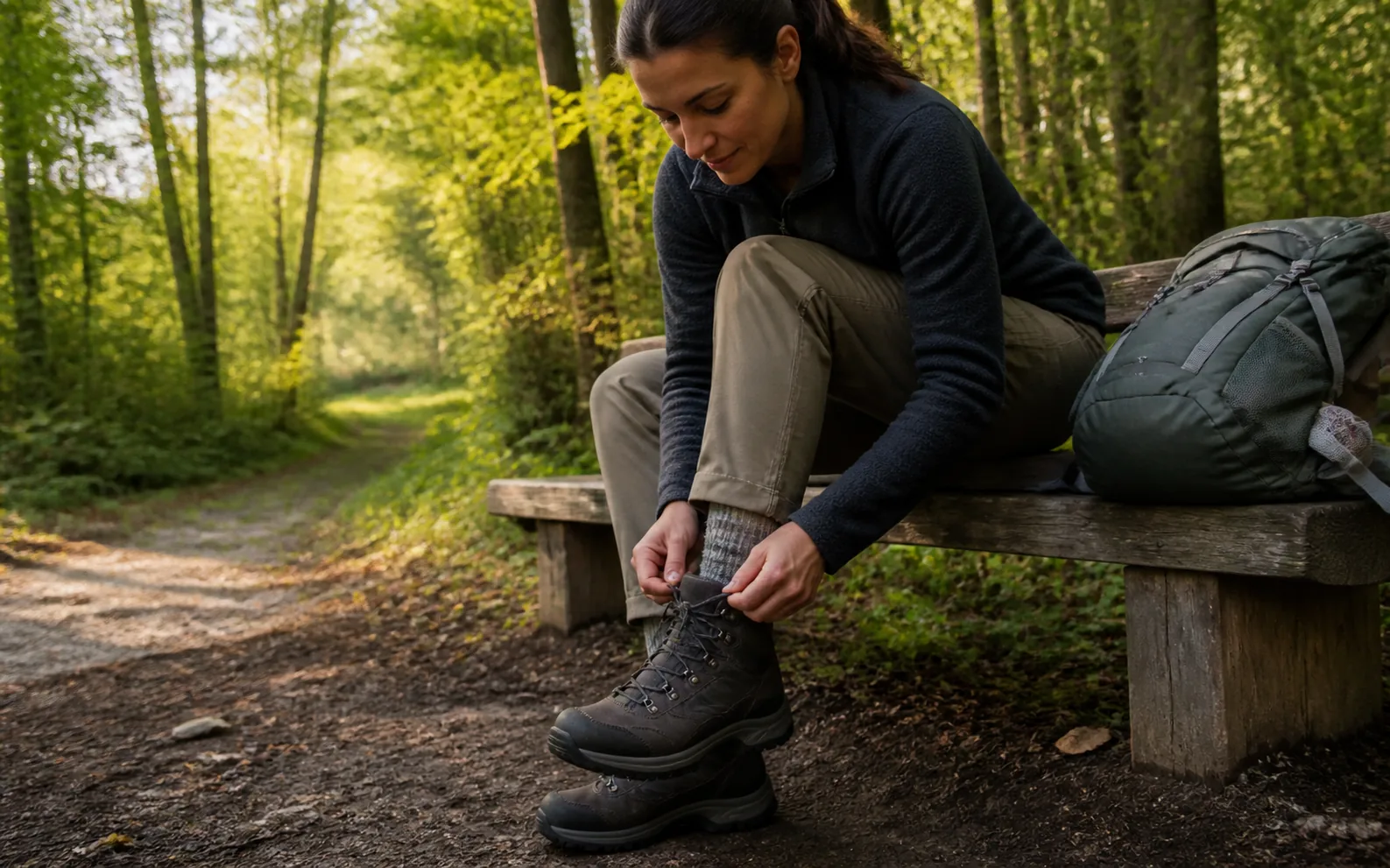
- Test new footwear on a familiar loop before travel.
- If your feet feel beaten up rather than blistered, look at underfoot protection and load.
- The best shoe is the one that remains predictable late in the day.
Good equipment reduces friction, but judgment still determines the margin. Conditions, regulations, fit, and personal needs can change after this article is published. Recheck the linked primary source and make the conservative choice when the situation differs from the guide.
Frequently asked questions
What matters most when using this field guide?
Trail runners favor quick movement and fast drying; hiking shoes usually add durability and underfoot protection. Choose around terrain, load, foot strength, and how often you hike—not around internet loyalty.
Should I buy the lightest option?
Only if it still fits the conditions and your routine. Reliability, comfort, weather protection, and simple operation usually matter more than saving a small amount of weight.
How should I make the final choice?
Write down the conditions you expect, the load or duration involved, and the one tradeoff you are willing to accept. Compare current specifications and return policies before ordering.
Sources and update note
Last checked: 2025-05-23
We use official land-manager, route, manufacturer, or current retailer information where available. External pages can change.