Backpacking Tent Buying Guide: Space, Weather, and Honest Weight
Choose a shelter by sleeping space, conditions, setup, and carried weight—not a single specification. This guide turns the decision into a practical plan for an ordinary trip, with clear tradeoffs and no invented field-test claims.
Affiliate disclosure: This page may contain retailer links. If a tracked affiliate link is active and you purchase through it, Hike Kit Guide may earn a commission at no extra cost to you. Recommendations are independent and prices are never assumed to be current.
Jump to section
The trail scenario
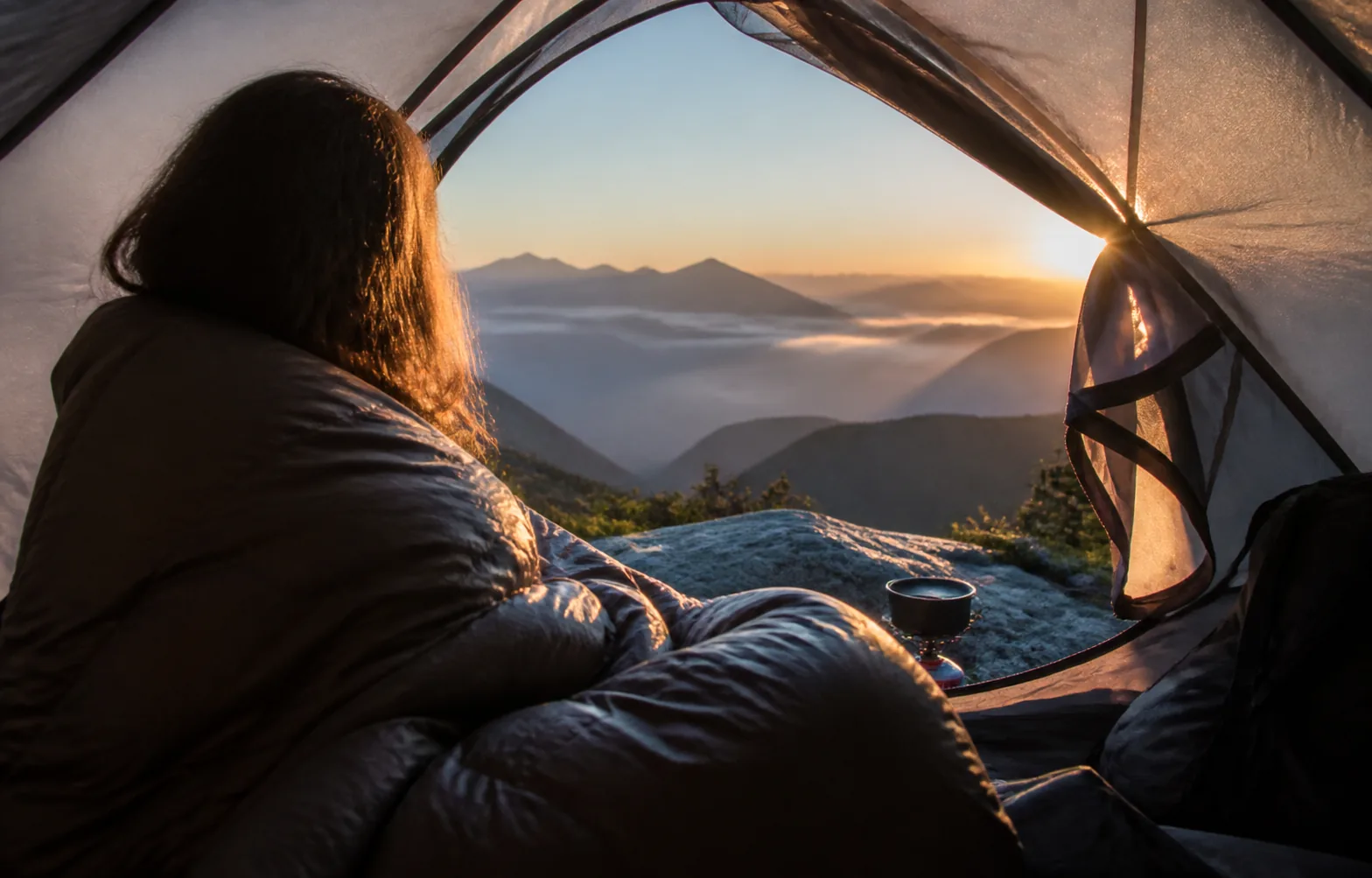
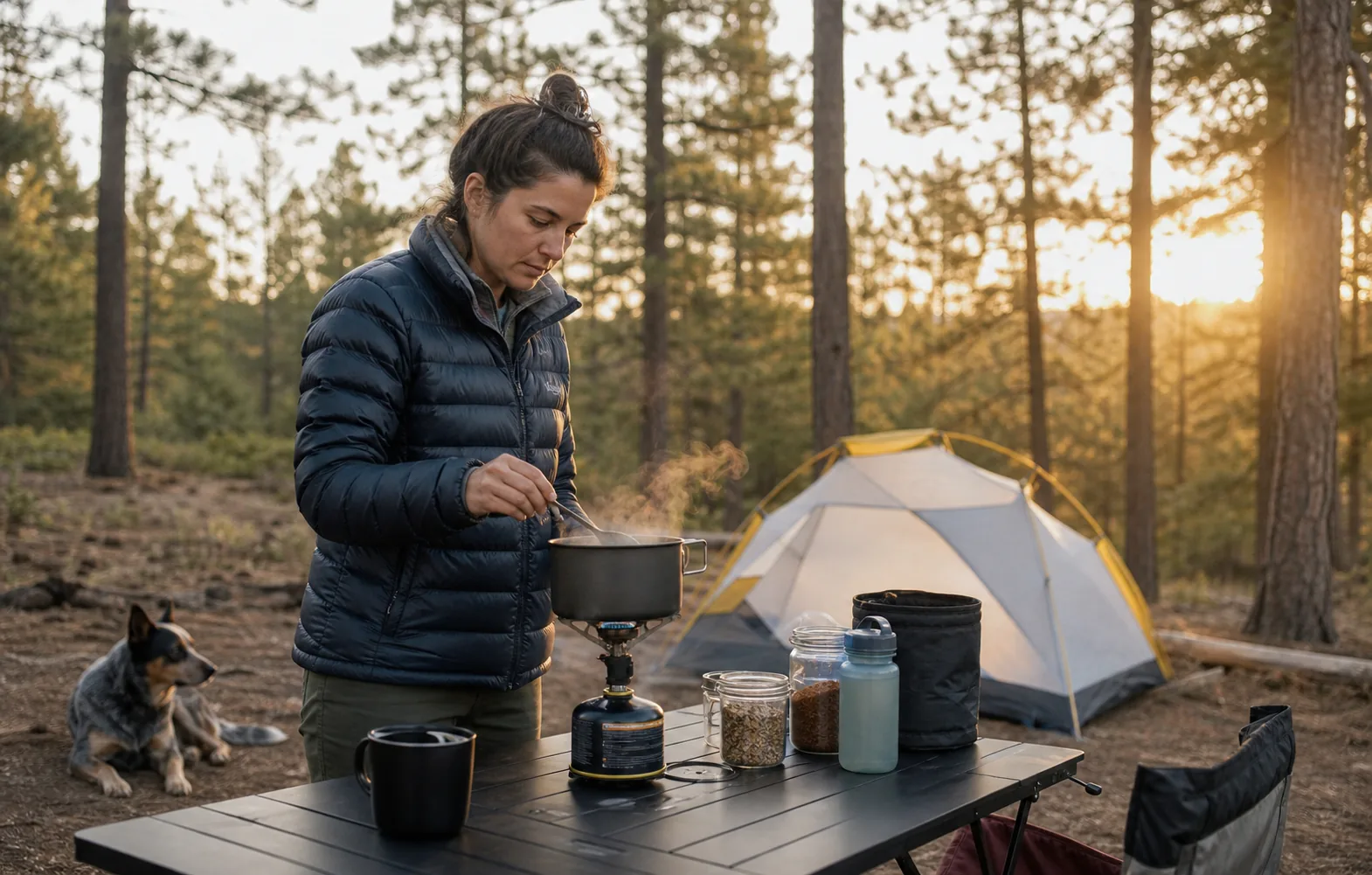
A tent feels spacious in a showroom and much smaller after two wet hikers bring packs inside. Think through the whole evening: changing layers, storing shoes, cooking safely away from the shelter, managing condensation, and packing a damp fly at dawn.
That scene is the editorial filter for this guide. Specifications are useful only when they help with comfort, safety, access, durability, or a simpler routine. We separate those useful signals from features that mainly make a product page look busy.
Buying priorities
Livable geometry
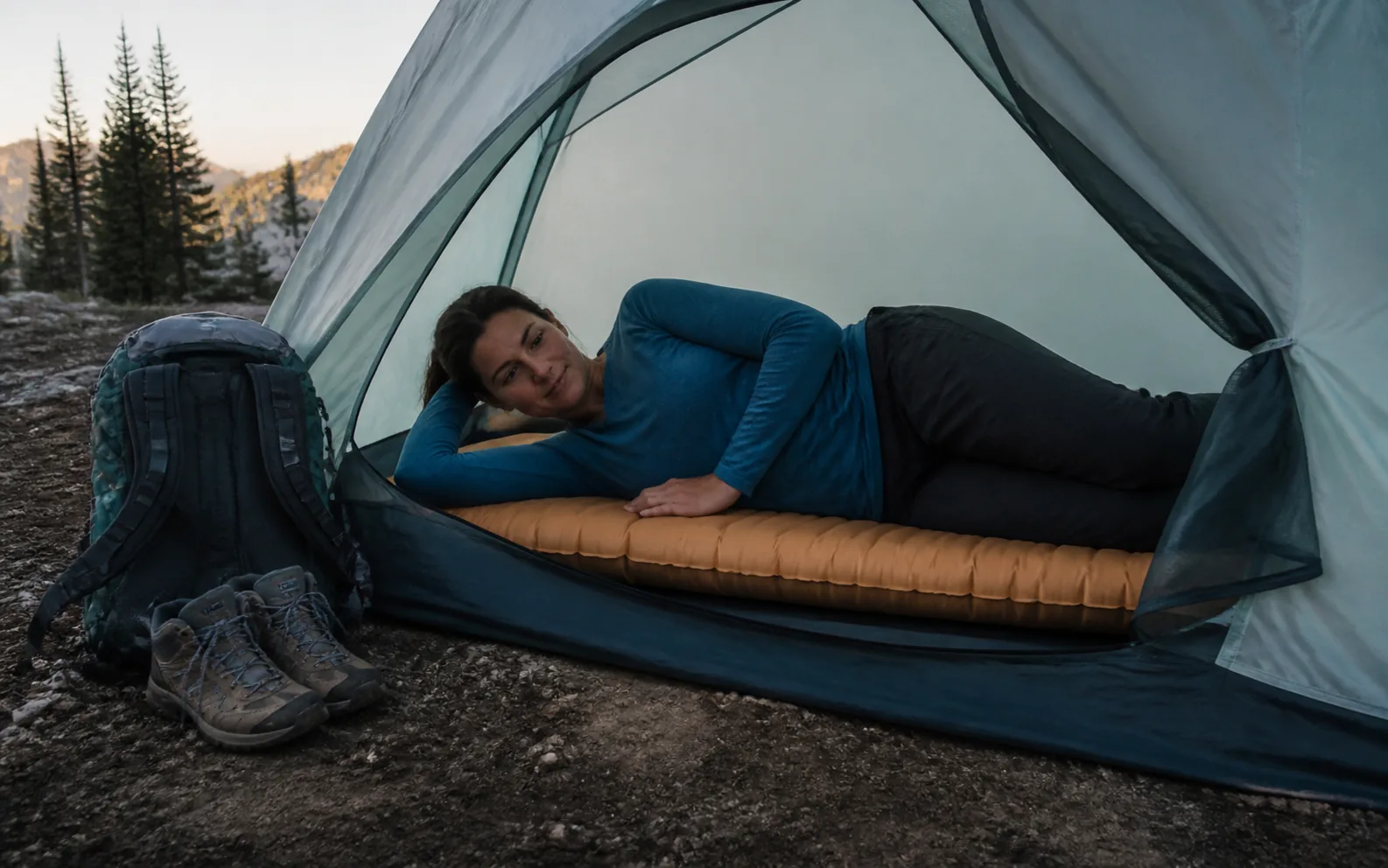
Floor dimensions tell only part of the story. Steep walls, peak height placement, door shape, and vestibules decide whether two people can sit up and organize gear.
Weather margin
Pole structure, fly coverage, guylines, and site selection matter together. Choose enough protection for realistic conditions without buying an expedition shelter for mild trails.
Complete carried weight
Include poles, stakes, sacks, repair items, and any footprint. Split shared components intentionally so one person does not carry the whole shelter by default.
Use these priorities in order. If an option fails the first requirement, a lower weight, brighter color, or promotional price does not rescue it. Write the tradeoff down before buying so the final choice remains connected to the trip.
Practical options
Freestanding two-person tent
Best forNew backpackers and varied campsites
Two doors, useful vestibules, and straightforward setup
TradeoffMore poles and weight than minimal shelters
Semi-freestanding tent
Best forWeight-conscious hikers on prepared sites
Clear stake requirements and stable foot-end geometry
TradeoffNeeds better site selection
Trekking-pole shelter
Best forExperienced hikers who already use poles
Storm-worthy pitch and bug protection suited to the route
TradeoffMore setup practice and campsite dependence
Merchant and official links open in a new tab. Hike Kit Guide does not display a price unless there is a reliable update process, so confirm current availability, specifications, shipping, and returns at the destination.
Field checklist
- Lie down with both pads before deciding
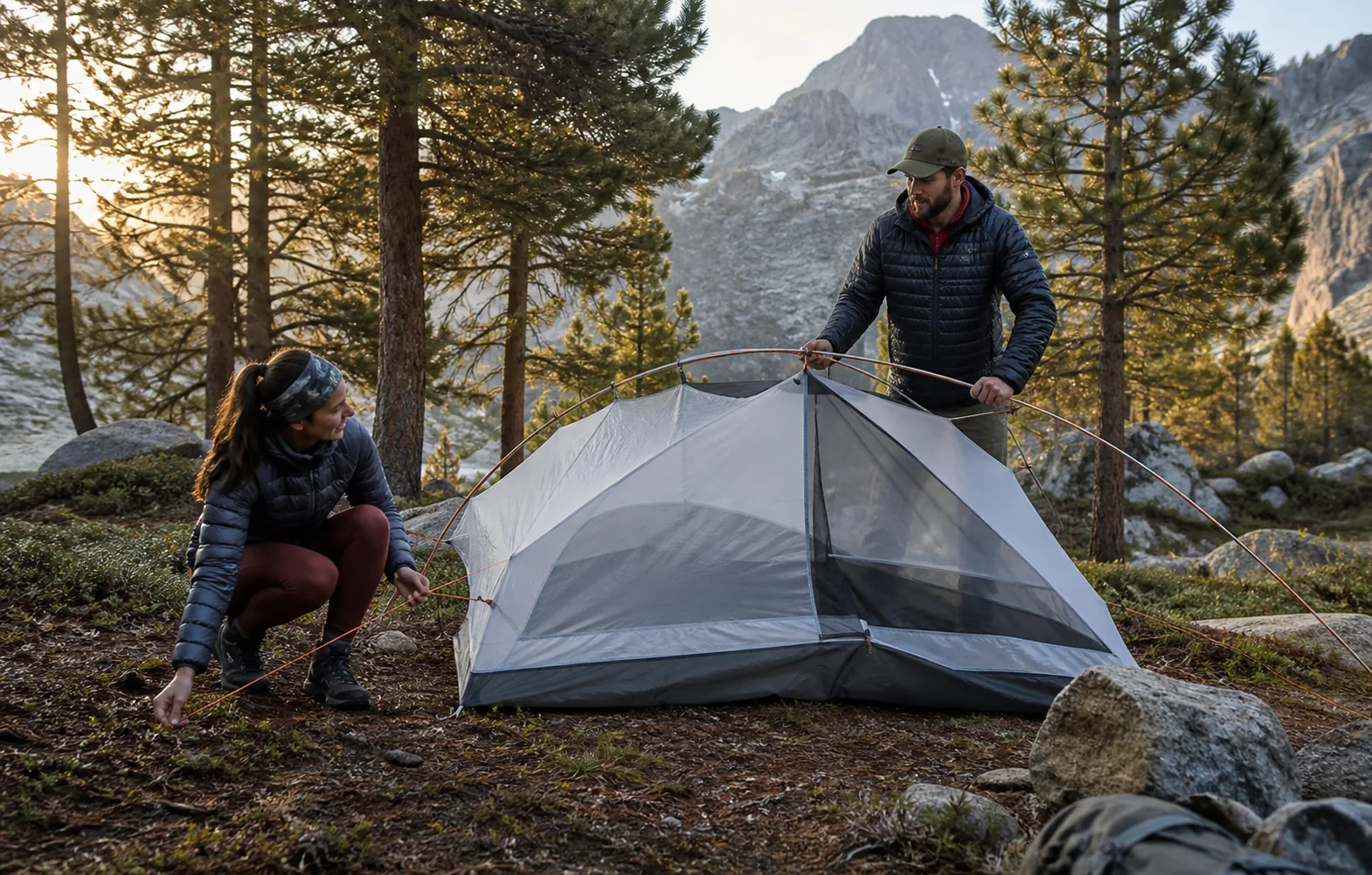
- Practice setup in calm daylight
- Carry the correct stakes for expected ground
- Seal or inspect seams as instructed
- Keep a repair sleeve and patch material
Run this checklist at home, then once again at the trailhead or accommodation. A short repeat catches the forgotten charger, unfilled bottle, loose strap, or access notice that can change the day.
Mistakes and field notes
Avoid these mistakes
- Comparing minimum weights without accessories
- Choosing a one-door layout for two people without considering exits
- Pitching in depressions or under hazardous branches
Use it well
- Dry the tent fully at home after every damp trip.
- Store the inner dry while packing a wet fly separately when possible.
- Use vents and site orientation to manage condensation rather than expecting it to disappear.
Good equipment reduces friction, but judgment still determines the margin. Conditions, regulations, fit, and personal needs can change after this article is published. Recheck the linked primary source and make the conservative choice when the situation differs from the guide.
Frequently asked questions
What matters most when using this buying guide?
Start with the number and size of sleepers, expected weather, and whether you share the load. Compare complete packed systems, including stakes and footprint choices, rather than headline fabric weight.
Should I buy the lightest option?
Only if it still fits the conditions and your routine. Reliability, comfort, weather protection, and simple operation usually matter more than saving a small amount of weight.
How should I make the final choice?
Write down the conditions you expect, the load or duration involved, and the one tradeoff you are willing to accept. Compare current specifications and return policies before ordering.
Sources and update note
Last checked: 2025-08-25
We use official land-manager, route, manufacturer, or current retailer information where available. External pages can change.