Pocket Knives for Camp Tasks: Shape, Safety, and Restraint
Choose a legal, maintainable camp knife for food, cord, packaging, and small repairs. This guide turns the decision into a practical plan for an ordinary trip, with clear tradeoffs and no invented field-test claims.
Affiliate disclosure: This page may contain retailer links. If a tracked affiliate link is active and you purchase through it, Hike Kit Guide may earn a commission at no extra cost to you. Recommendations are independent and prices are never assumed to be current.
Jump to section
The trail scenario
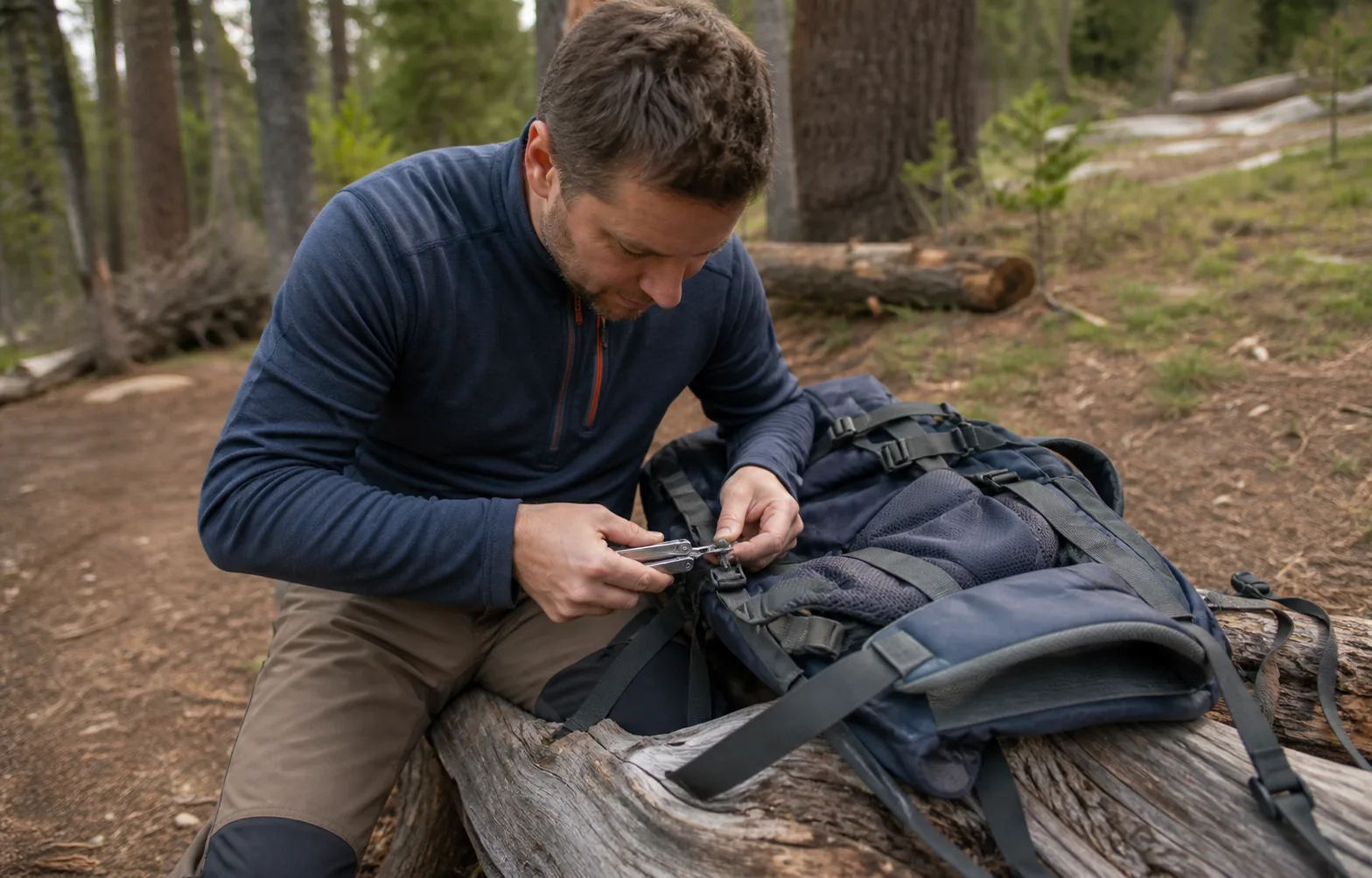
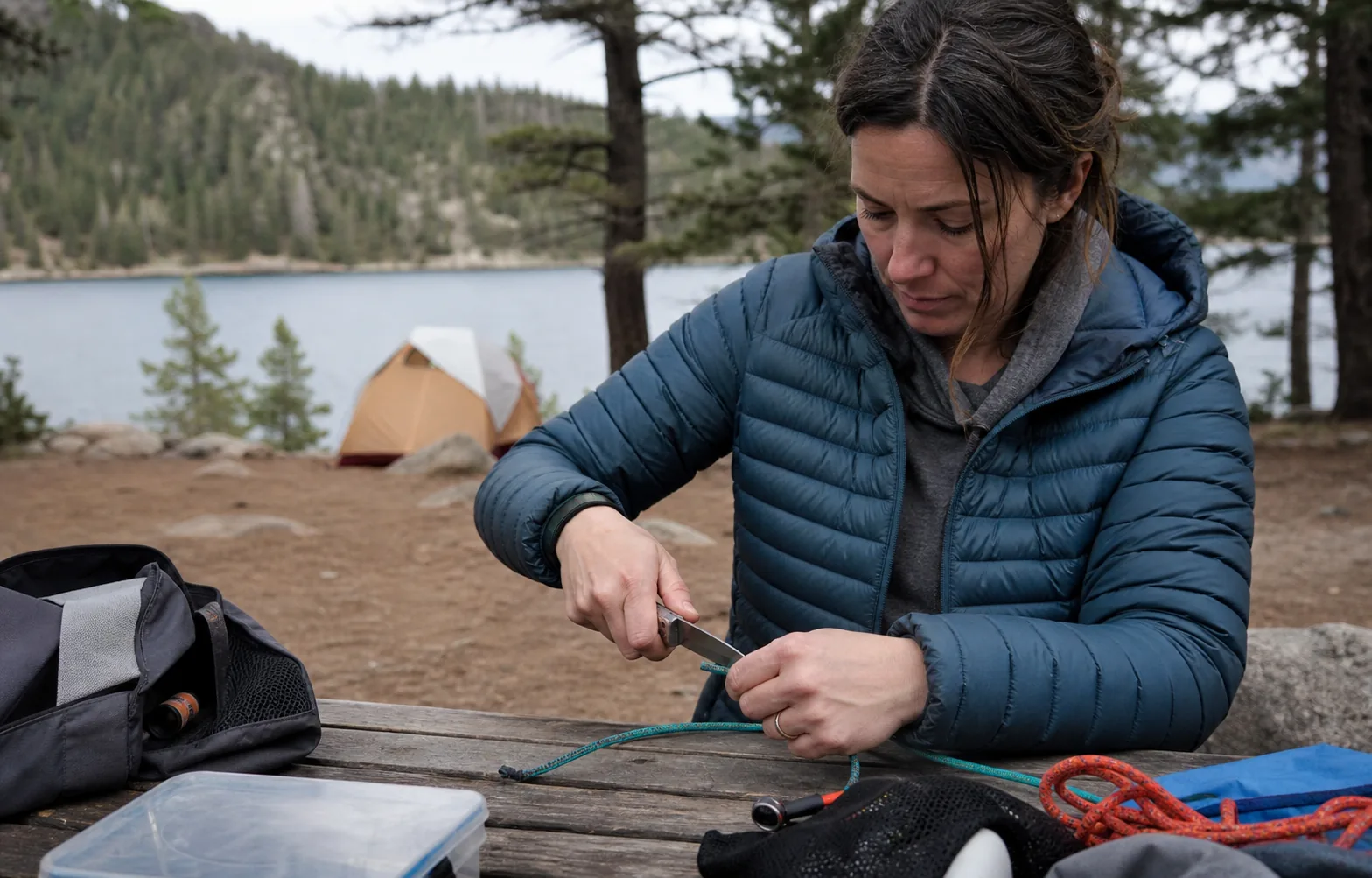
The knife opens food packaging, trims repair tape, and cuts cord for an approved task. It does not need to chop wood, replace a saw, or create unnecessary impact around camp.
That scene is the editorial filter for this guide. Specifications are useful only when they help with comfort, safety, access, durability, or a simpler routine. We separate those useful signals from features that mainly make a product page look busy.
Buying priorities
Task-appropriate blade
A shorter controllable edge is easier for ordinary camp work. Blade shape should support slicing and careful tip use rather than looking aggressive.
Lock and grip
A secure lock and handle that resists twisting matter when hands are cold or wet. Practice one-handed operation only if it remains safe and legal.
Legal travel
Blade length, locking mechanisms, carry style, and public access rules vary. Verify current local regulations rather than relying on general advice.
Use these priorities in order. If an option fails the first requirement, a lower weight, brighter color, or promotional price does not rescue it. Write the tradeoff down before buying so the final choice remains connected to the trip.
Practical options
Small locking folder
Best forFood, cord, and packaging
Secure lock and corrosion-resistant steel
TradeoffRequires deliberate cleaning around food
Compact fixed blade
Best forRepeated camp use where lawful
Protective sheath and restrained blade length
TradeoffLess convenient and more regulated for travel
Blade-light utility tool
Best forTravelers prioritizing scissors and drivers
Legal configuration and useful non-blade tools
TradeoffLess capable for food preparation
Merchant and official links open in a new tab. Hike Kit Guide does not display a price unless there is a reliable update process, so confirm current availability, specifications, shipping, and returns at the destination.
Field checklist
- Verify laws for every jurisdiction
- Protect the edge in a closed tool or sheath
- Cut away from the body
- Clean and dry after food use
- Pack it in checked luggage when required
Run this checklist at home, then once again at the trailhead or accommodation. A short repeat catches the forgotten charger, unfilled bottle, loose strap, or access notice that can change the day.
Mistakes and field notes
Avoid these mistakes
- Assuming one country’s rules apply elsewhere
- Using the knife as a pry bar
- Leaving an open blade on a shared surface
Use it well
- A bright handle is easier to find on forest ground.
- Carry a small sharpener only on longer trips where you know how to use it.
- Often a pair of scissors is the safer tool.
Good equipment reduces friction, but judgment still determines the margin. Conditions, regulations, fit, and personal needs can change after this article is published. Recheck the linked primary source and make the conservative choice when the situation differs from the guide.
Frequently asked questions
What matters most when using this buying guide?
A modest blade with a secure lock, comfortable handle, and easy maintenance covers most hiking and camp jobs. Check laws at both home and destination before carrying it.
Should I buy the lightest option?
Only if it still fits the conditions and your routine. Reliability, comfort, weather protection, and simple operation usually matter more than saving a small amount of weight.
How should I make the final choice?
Write down the conditions you expect, the load or duration involved, and the one tradeoff you are willing to accept. Compare current specifications and return policies before ordering.
Sources and update note
Last checked: 2025-04-15
We use official land-manager, route, manufacturer, or current retailer information where available. External pages can change.