Camp Hatchets and Saws: When a Cutting Tool Belongs
Choose compact cutting tools only when the campsite, fuel plan, and local rules justify them. This guide turns the decision into a practical plan for an ordinary trip, with clear tradeoffs and no invented field-test claims.
Affiliate disclosure: This page may contain retailer links. If a tracked affiliate link is active and you purchase through it, Hike Kit Guide may earn a commission at no extra cost to you. Recommendations are independent and prices are never assumed to be current.
Jump to section
The trail scenario
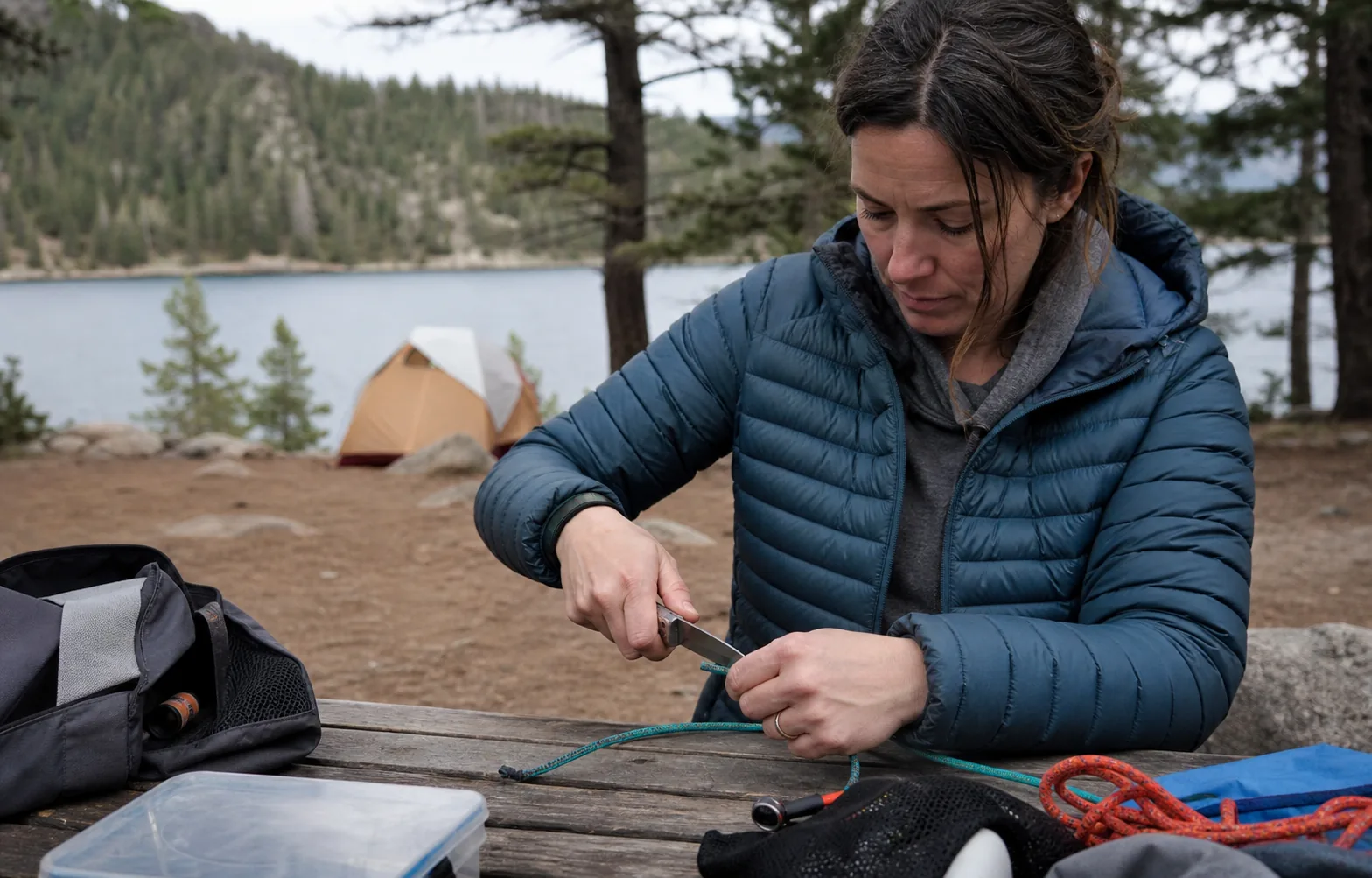
At a developed cold-weather campsite, splitting purchased wood can expose dry inner fuel. On a lightweight hiking route with a stove and fire ban, the same tool is useless weight and an invitation to impact the site.
That scene is the editorial filter for this guide. Specifications are useful only when they help with comfort, safety, access, durability, or a simpler routine. We separate those useful signals from features that mainly make a product page look busy.
Buying priorities
First decide if it is needed
Check fire rules, wood availability, and whether gathering is permitted. Bring a stove and adequate insulation so a fire is never required for normal safety.
Controlled cutting
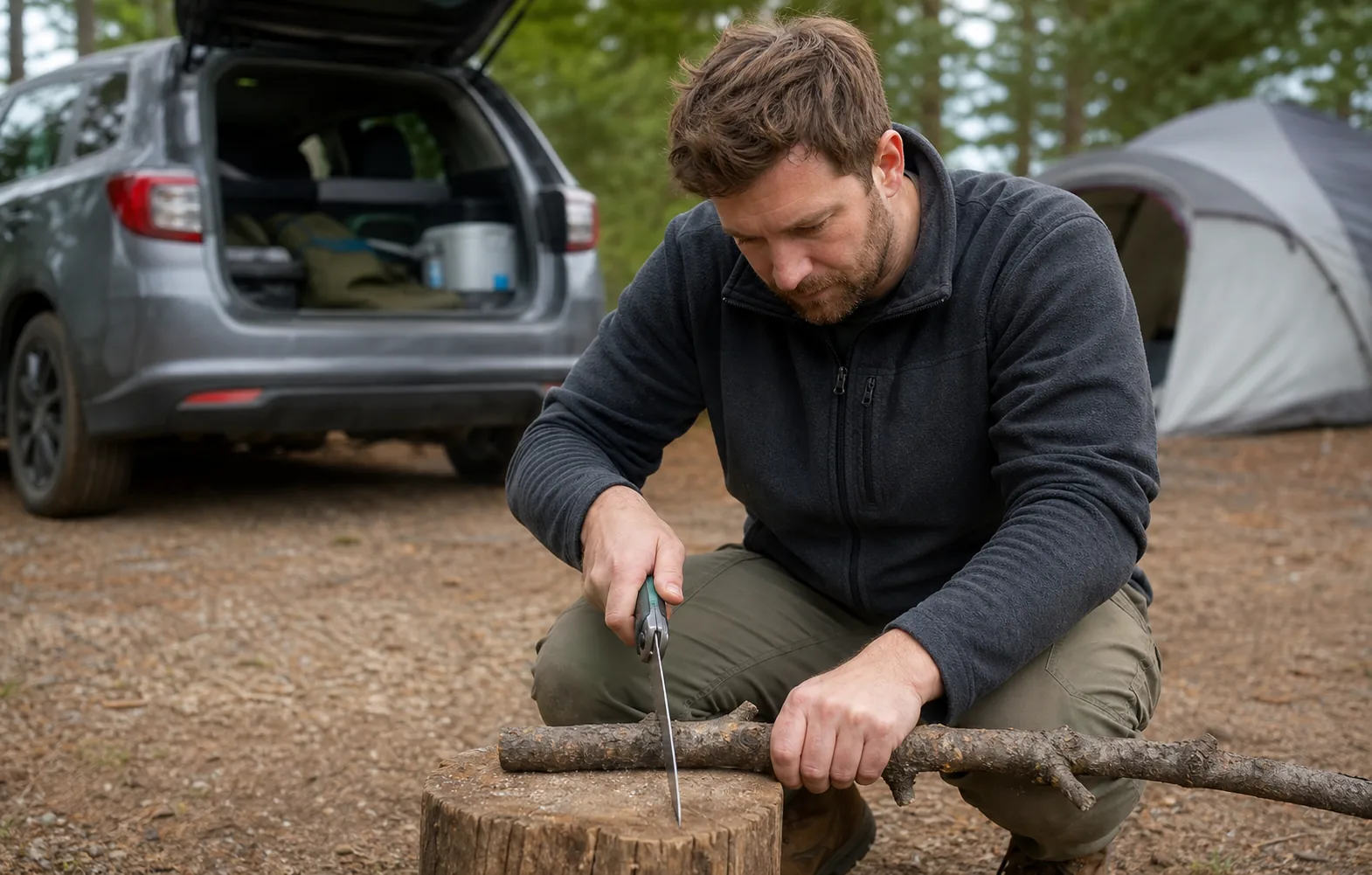
A folding saw uses a contained stroke and can be more efficient on small deadwood. Hatchets demand stable technique, clearance, and a protected chopping surface.
Carry and maintenance
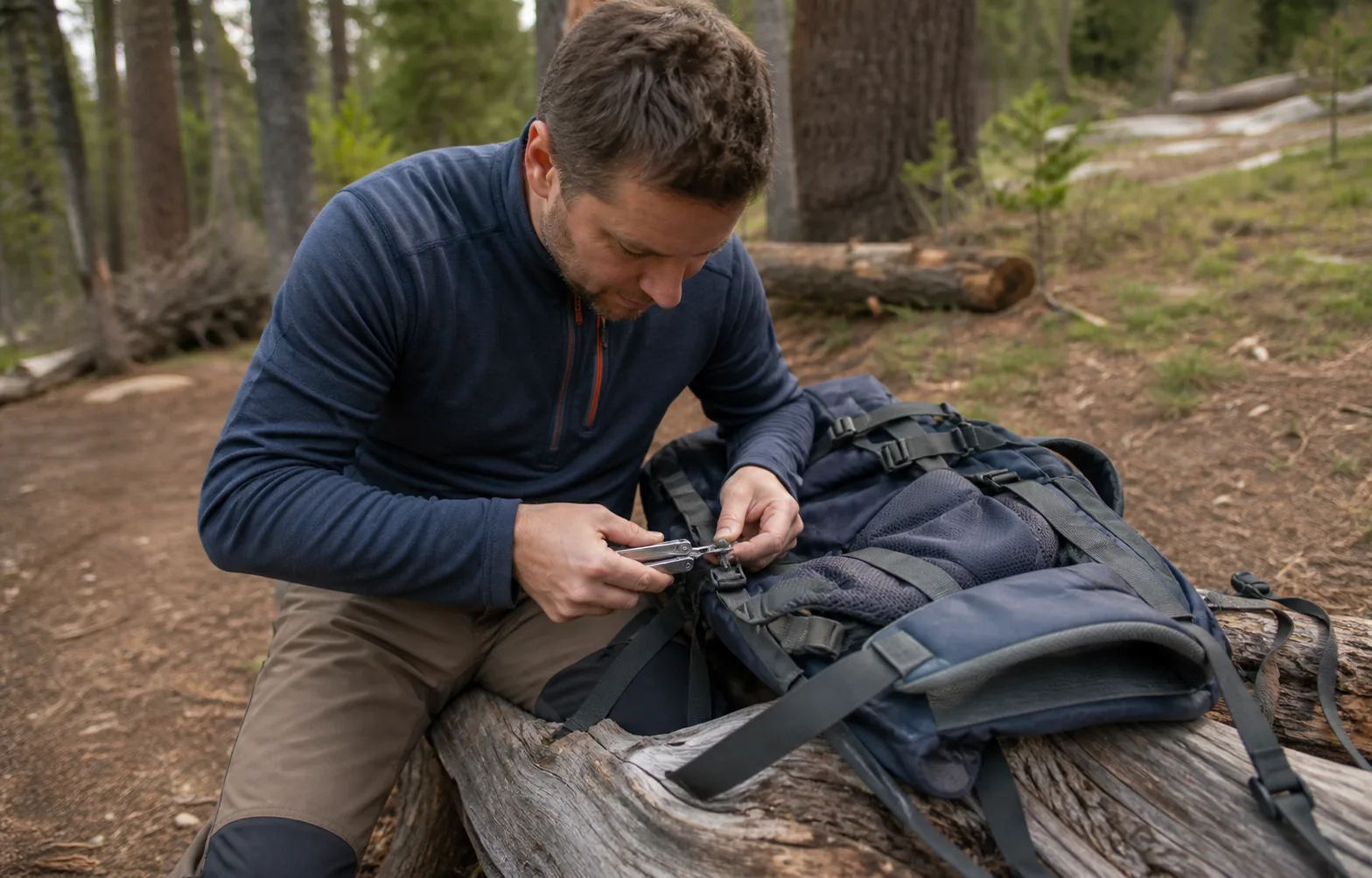
Teeth and edges need secure covers. Clean sap, dry steel, and inspect handles or hinges before each trip.
Use these priorities in order. If an option fails the first requirement, a lower weight, brighter color, or promotional price does not rescue it. Write the tradeoff down before buying so the final choice remains connected to the trip.
Practical options
Compact folding saw
Best forPermitted small deadwood at established camps
Secure lock and replaceable blade
TradeoffOnly cuts; does not split wood
Small camp hatchet
Best forCar camping and controlled wood splitting
Secure head, comfortable handle, and sheath
TradeoffHeavy and higher injury risk
No cutting tool
Best forBackpacking, fire bans, and fragile areas
Reliable stove and warm sleep system instead
TradeoffNo wood processing capability
Merchant and official links open in a new tab. Hike Kit Guide does not display a price unless there is a reliable update process, so confirm current availability, specifications, shipping, and returns at the destination.
Field checklist
- Verify wood collection and fire rules
- Use eye protection when appropriate
- Clear people from the swing area
- Carry the edge fully covered
- Pack all debris and extinguish fires
Run this checklist at home, then once again at the trailhead or accommodation. A short repeat catches the forgotten charger, unfilled bottle, loose strap, or access notice that can change the day.
Mistakes and field notes
Avoid these mistakes
- Cutting live vegetation
- Swinging toward hands or legs
- Using rocks as a chopping surface
Use it well
- A saw usually wastes less wood and energy than chopping.
- Kneel only if it creates a safer controlled work position.
- If fatigue affects technique, stop—the fire is optional.
Good equipment reduces friction, but judgment still determines the margin. Conditions, regulations, fit, and personal needs can change after this article is published. Recheck the linked primary source and make the conservative choice when the situation differs from the guide.
Frequently asked questions
What matters most when using this buying guide?
Most backpackers do not need a hatchet. A compact saw is often more controlled for permitted deadwood processing, while car campers may value a small hatchet for established fire rings and prepared wood.
Should I buy the lightest option?
Only if it still fits the conditions and your routine. Reliability, comfort, weather protection, and simple operation usually matter more than saving a small amount of weight.
How should I make the final choice?
Write down the conditions you expect, the load or duration involved, and the one tradeoff you are willing to accept. Compare current specifications and return policies before ordering.
Sources and update note
Last checked: 2025-07-18
We use official land-manager, route, manufacturer, or current retailer information where available. External pages can change.