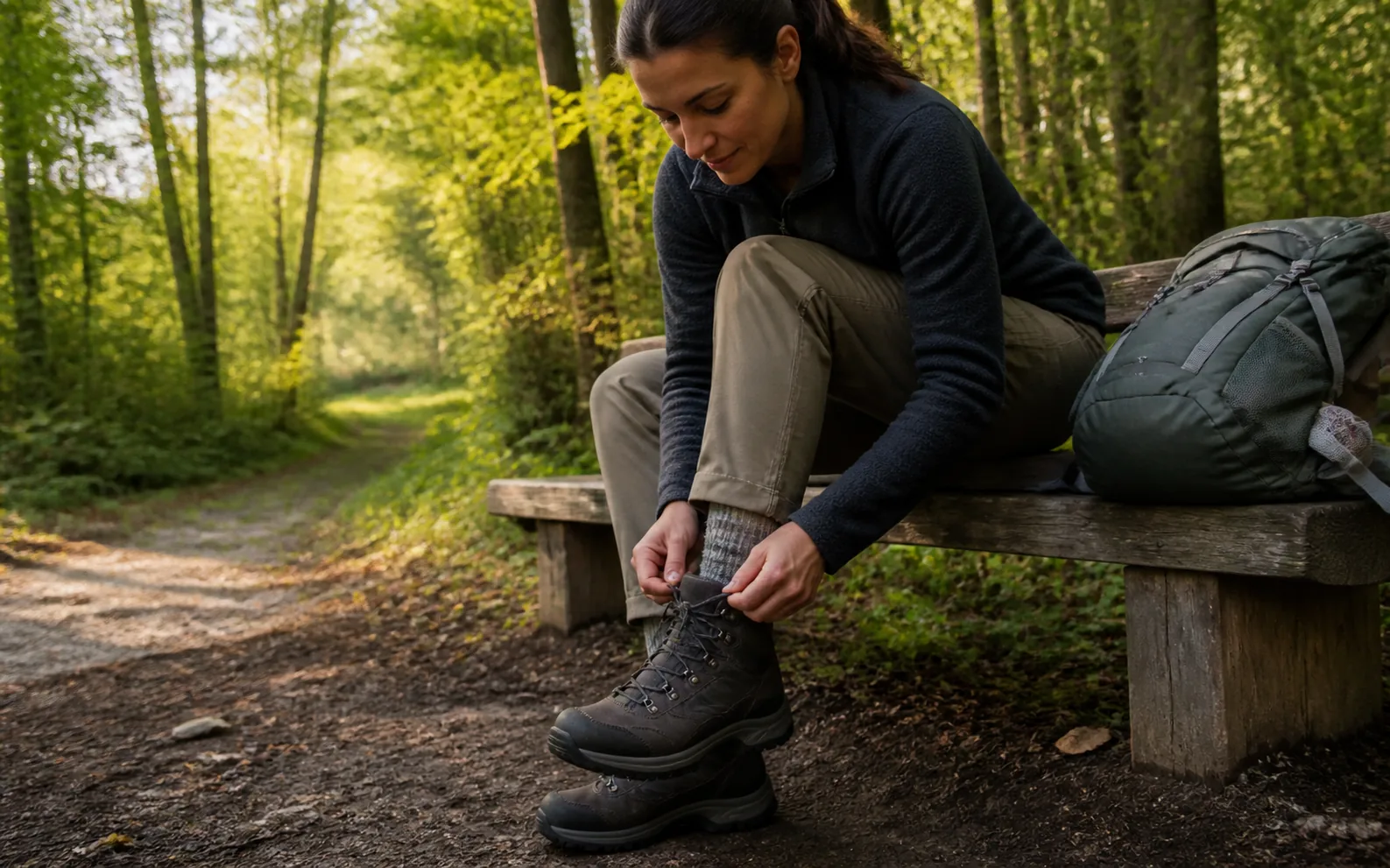
Hydration Pack or Water Bottles? Choose by Trail Routine
Compare drinking access, cleaning, capacity, balance, and cold-weather use. This guide turns the decision into a practical plan for an ordinary trip, with clear tradeoffs and no invented field-test claims.
Affiliate disclosure: This page may contain retailer links. If a tracked affiliate link is active and you purchase through it, Hike Kit Guide may earn a commission at no extra cost to you. Recommendations are independent and prices are never assumed to be current.
Jump to section
The trail scenario
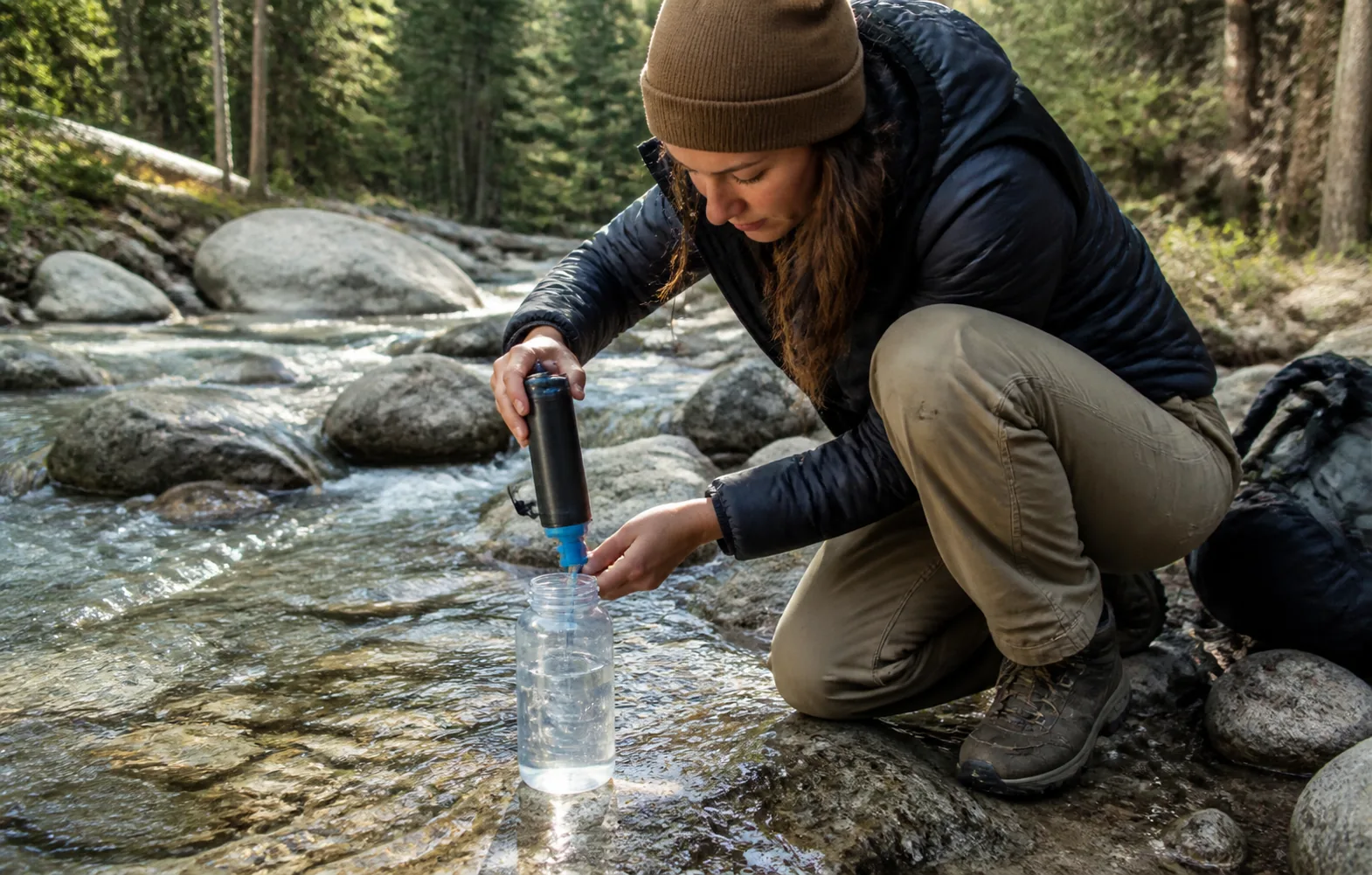
On a hot exposed trail, a hose makes small sips easy without stopping. At camp or a water source, a wide-mouth bottle is faster to fill and simpler to monitor. The practical choice depends on whether access or simplicity solves more problems for you.
That scene is the editorial filter for this guide. Specifications are useful only when they help with comfort, safety, access, durability, or a simpler routine. We separate those useful signals from features that mainly make a product page look busy.
Buying priorities
Access and pacing
If you forget to drink, a hose may improve consistency. If you prefer scheduled stops, bottles make remaining volume easier to see.
Cleaning and flavor
Reservoir hoses need complete drying and occasional deep cleaning. Bottles are simpler, particularly after drink mixes.
Weather and failure modes
Hoses can freeze and bite valves can leak. Bottles can fall from shallow pockets. Carrying water in two containers adds useful redundancy.
Use these priorities in order. If an option fails the first requirement, a lower weight, brighter color, or promotional price does not rescue it. Write the tradeoff down before buying so the final choice remains connected to the trip.
Practical options
Two-bottle system
Best forSimple day hikes and easy refills
Pack pockets reachable while walking
TradeoffWeight sits away from the centerline
Reservoir-first system
Best forHot weather and continuous movement
Wide opening, shutoff valve, and stable hose routing
TradeoffMore cleaning and harder volume checks
Hybrid reservoir plus bottle
Best forLong days and drink-mix users
Pack capacity and separate clean-water bottle
TradeoffMore pieces to track
Merchant and official links open in a new tab. Hike Kit Guide does not display a price unless there is a reliable update process, so confirm current availability, specifications, shipping, and returns at the destination.
Field checklist
- Estimate water between reliable sources
- Test for leaks before packing
- Keep electronics in a separate dry area
- Dry hose and reservoir fully
- Carry treatment when natural sources are used
Run this checklist at home, then once again at the trailhead or accommodation. A short repeat catches the forgotten charger, unfilled bottle, loose strap, or access notice that can change the day.
Mistakes and field notes
Avoid these mistakes
- Assuming every mapped source is flowing
- Putting sugary mix in a hard-to-clean hose
- Carrying all water on one side of a pack
Use it well
- Mark bottle volume or reservoir capacity so consumption is easier to estimate.
- In freezing weather, blow water back into the reservoir after drinking.
- Treat hydration as part of route planning, not just a container choice.
Good equipment reduces friction, but judgment still determines the margin. Conditions, regulations, fit, and personal needs can change after this article is published. Recheck the linked primary source and make the conservative choice when the situation differs from the guide.
Frequently asked questions
What matters most when using this field guide?
Reservoirs encourage frequent sipping and carry weight close to the back. Bottles are easier to inspect, share, and clean. Many hikers use both: a reservoir for movement and a bottle for mixing or backup.
Should I buy the lightest option?
Only if it still fits the conditions and your routine. Reliability, comfort, weather protection, and simple operation usually matter more than saving a small amount of weight.
How should I make the final choice?
Write down the conditions you expect, the load or duration involved, and the one tradeoff you are willing to accept. Compare current specifications and return policies before ordering.
Sources and update note
Last checked: 2025-12-17
We use official land-manager, route, manufacturer, or current retailer information where available. External pages can change.