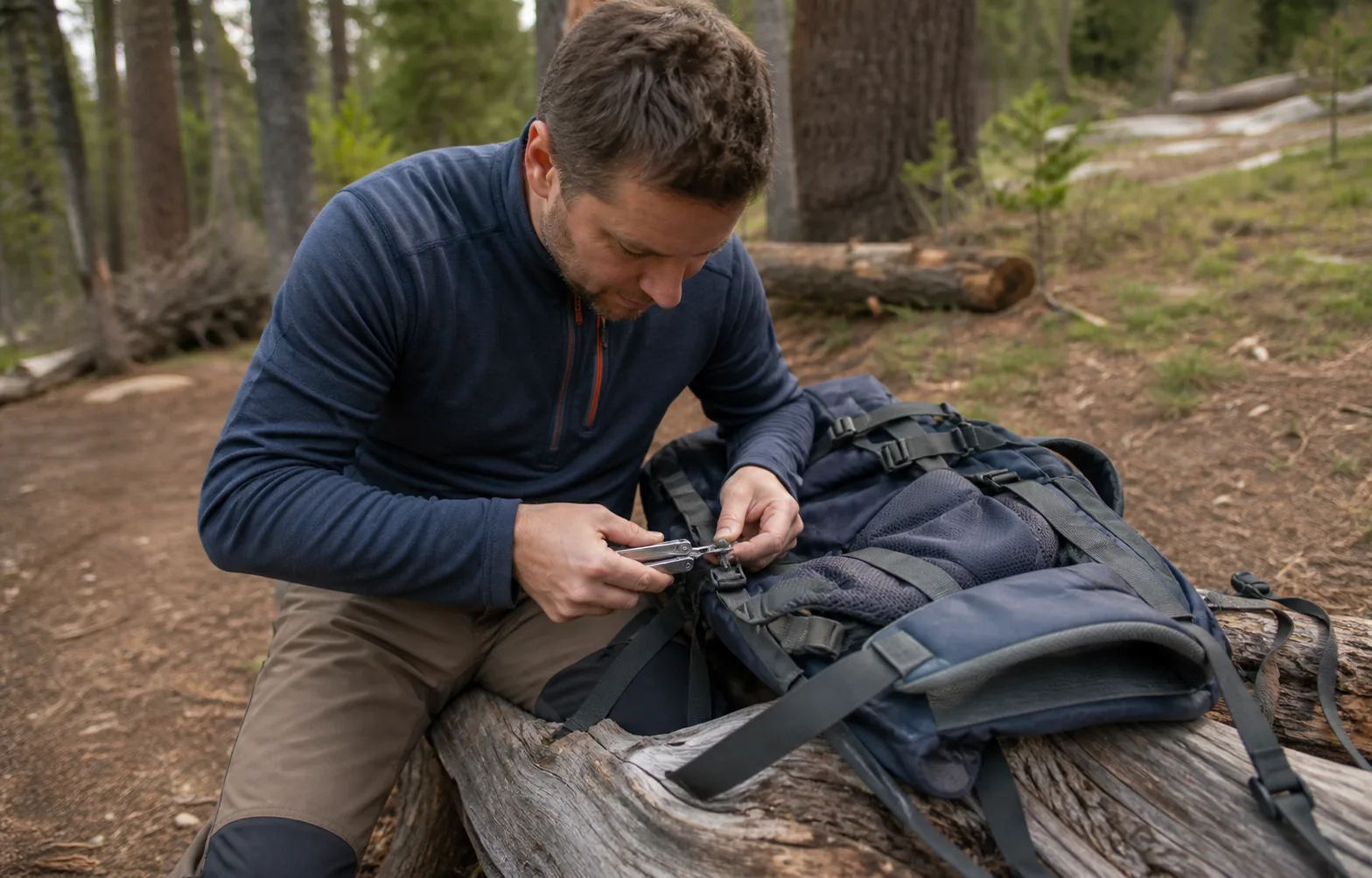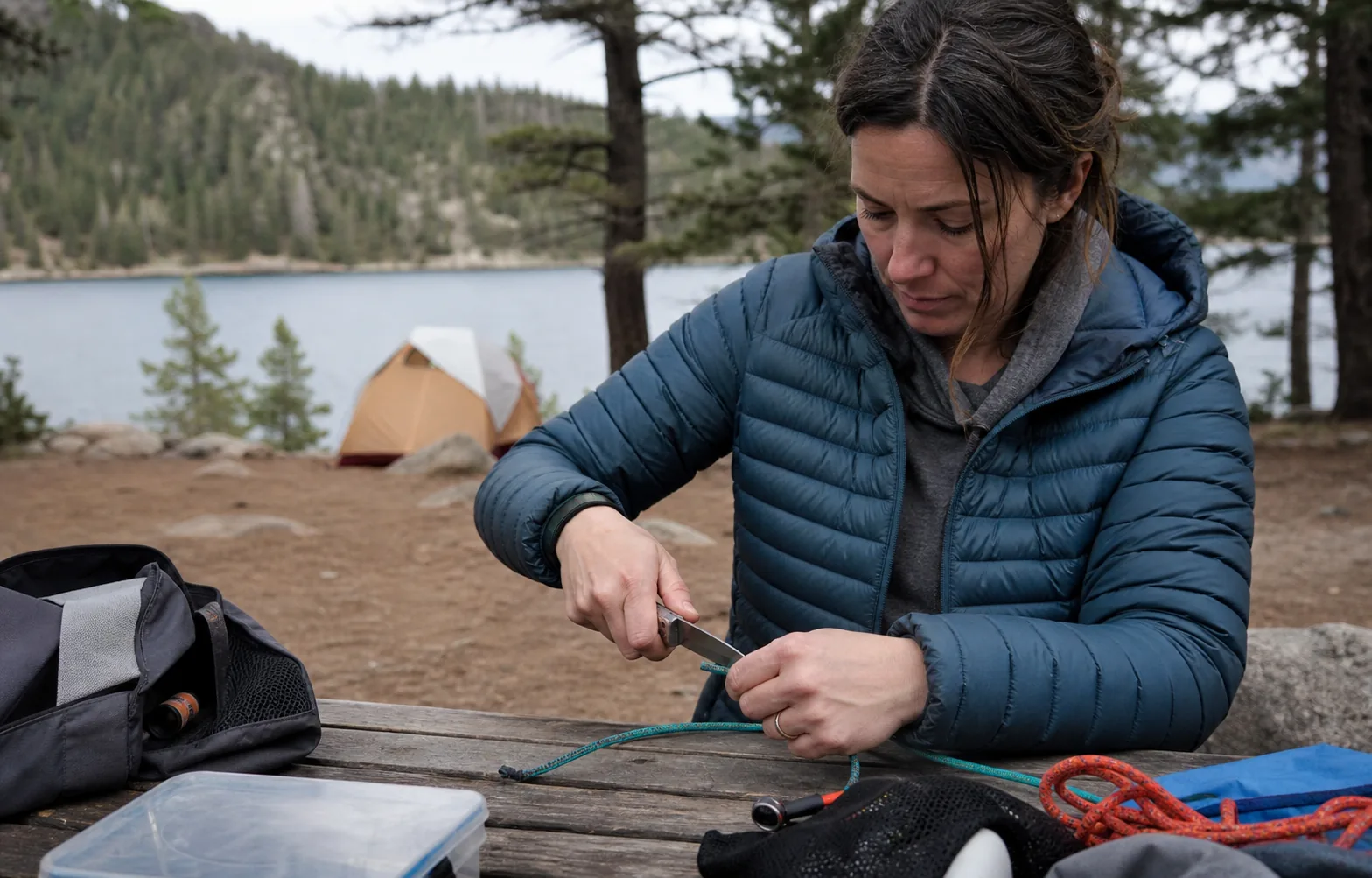
Trail Repair Kits for Pads, Tents, Packs, and Clothing
Assemble a small repair kit around the materials and failures in your own equipment. This guide turns the decision into a practical plan for an ordinary trip, with clear tradeoffs and no invented field-test claims.
Affiliate disclosure: This page may contain retailer links. If a tracked affiliate link is active and you purchase through it, Hike Kit Guide may earn a commission at no extra cost to you. Recommendations are independent and prices are never assumed to be current.
Jump to section
The trail scenario
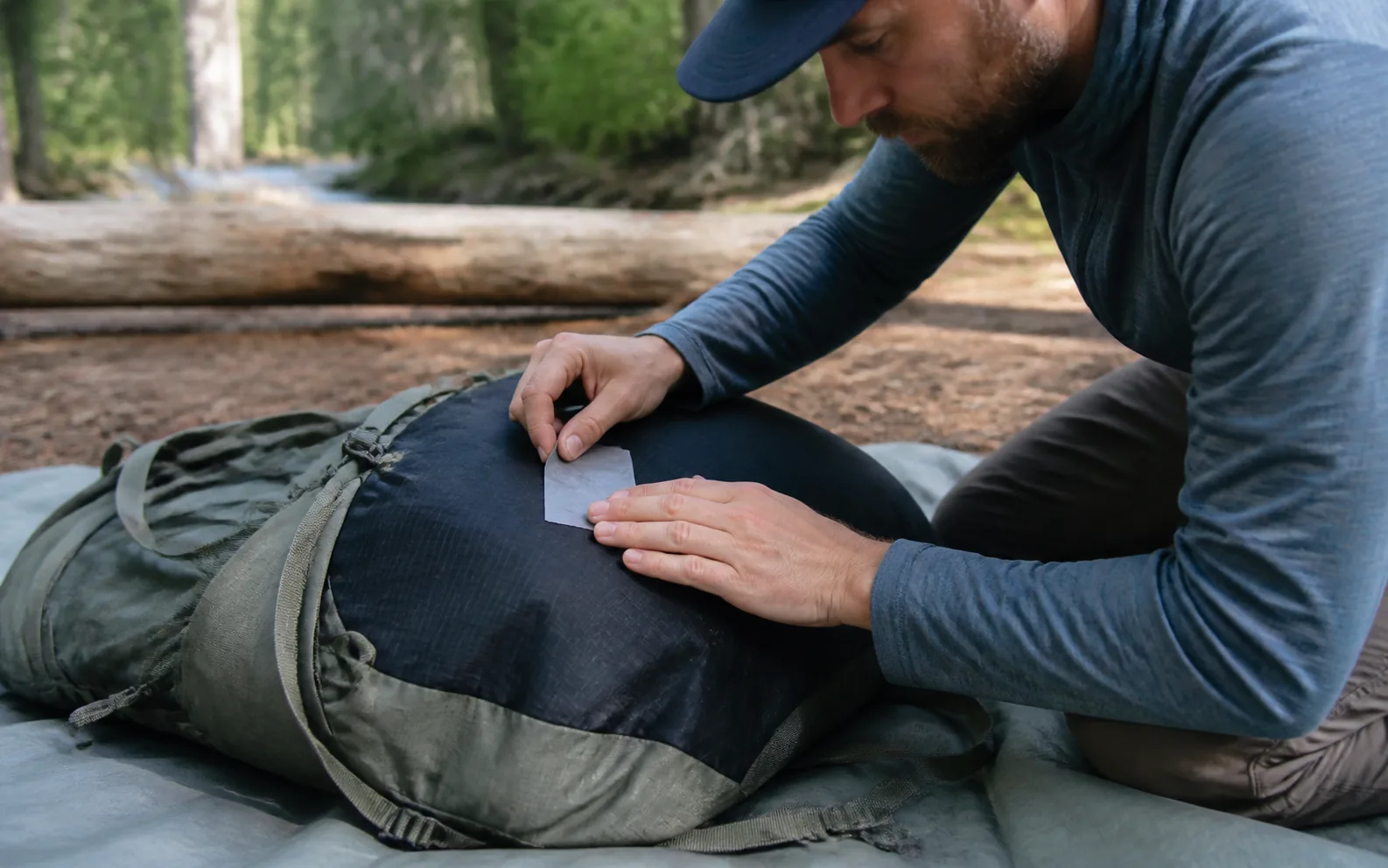
A thorn opens a sleeping pad pinhole after camp is already set. The repair is easy only if the surface can be cleaned and dried, the patch is compatible, and the leak can be found before darkness and cold make the job frustrating.
That scene is the editorial filter for this guide. Specifications are useful only when they help with comfort, safety, access, durability, or a simpler routine. We separate those useful signals from features that mainly make a product page look busy.
Buying priorities
Material compatibility
Tent fabric, waterproof shells, insulated pads, and coated packs may need different adhesives or patches. Follow the manufacturer’s current repair guidance.
Temporary versus permanent
Trail repairs should restore function safely. Mark the damaged area and complete a proper clean repair at home rather than forgetting a temporary tape layer.
Tiny critical spares
A spare buckle, stove O-ring, shoelace, or pad valve component can be more useful than a large generic toolkit if it matches your exact equipment.
Use these priorities in order. If an option fails the first requirement, a lower weight, brighter color, or promotional price does not rescue it. Write the tradeoff down before buying so the final choice remains connected to the trip.
Practical options
Ultralight fabric repair pouch
Best forDay hikes and simple backpacking
Tape, patches, needle, thread, and cord
TradeoffLimited hardware replacement
Sleep-system repair module
Best forTrips using inflatable pads
Compatible patches, alcohol wipe, and marked instructions
TradeoffSingle-purpose items
Extended group repair kit
Best forLonger trips and shared shelters
Buckles, pole sleeve, wire, and equipment-specific parts
TradeoffRequires careful inventory control
Merchant and official links open in a new tab. Hike Kit Guide does not display a price unless there is a reliable update process, so confirm current availability, specifications, shipping, and returns at the destination.
Field checklist
- List likely failures for every critical item
- Confirm patch compatibility
- Add a cleaning wipe and small marker
- Carry spare cord and one strong needle
- Replace consumed supplies immediately
Run this checklist at home, then once again at the trailhead or accommodation. A short repeat catches the forgotten charger, unfilled bottle, loose strap, or access notice that can change the day.
Mistakes and field notes
Avoid these mistakes
- Wrapping all tape around a dirty bottle
- Using an adhesive before reading cure time
- Packing patches without a way to dry the surface
Use it well
- Photograph manufacturer repair instructions and save them offline.
- Round patch corners so they are less likely to peel.
- Write the date and location of a temporary repair inside the gear.
Good equipment reduces friction, but judgment still determines the margin. Conditions, regulations, fit, and personal needs can change after this article is published. Recheck the linked primary source and make the conservative choice when the situation differs from the guide.
Frequently asked questions
What matters most when using this how to?
Carry compatible patches, strong tape, cord, a needle, and the exact small hardware your gear may need. Test adhesives at home and keep instructions with specialized repair items.
Should I buy the lightest option?
Only if it still fits the conditions and your routine. Reliability, comfort, weather protection, and simple operation usually matter more than saving a small amount of weight.
How should I make the final choice?
Write down the conditions you expect, the load or duration involved, and the one tradeoff you are willing to accept. Compare current specifications and return policies before ordering.
Sources and update note
Last checked: 2026-06-06
We use official land-manager, route, manufacturer, or current retailer information where available. External pages can change.