West Highland Way Rain Kit and Foot-Care Strategy
Prepare for repeated wet days, town stops, luggage choices, and the difference between damp and defeated. This guide turns the decision into a practical plan for an ordinary trip, with clear tradeoffs and no invented field-test claims.
Affiliate disclosure: This page may contain retailer links. If a tracked affiliate link is active and you purchase through it, Hike Kit Guide may earn a commission at no extra cost to you. Recommendations are independent and prices are never assumed to be current.
Jump to section
The trail scenario
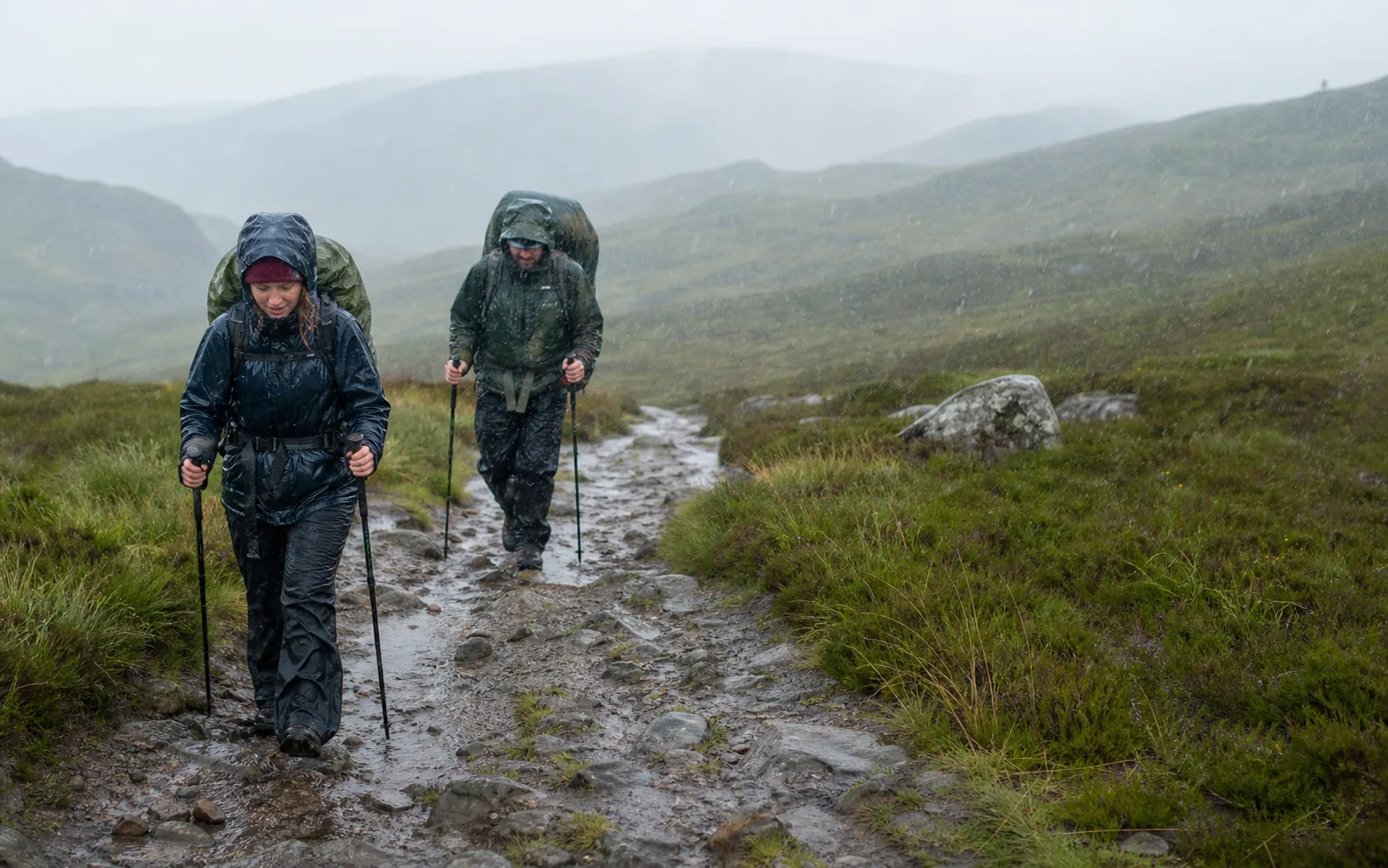
Rain stops, starts, and returns before yesterday’s socks are fully dry. The challenge is not one dramatic storm but repeated dampness. A simple rotation and protected sleep clothing preserve morale.
That scene is the editorial filter for this guide. Specifications are useful only when they help with comfort, safety, access, durability, or a simpler routine. We separate those useful signals from features that mainly make a product page look busy.
Planning priorities
Route and service plan
Use the official West Highland Way information for stages and current notices. Decide whether you carry everything or use baggage transfer before choosing pack capacity.
Persistent wet management
Use a pack liner, separate wet bag, ventilated shell, and dependable sleep clothing. Expect damp items and plan how to isolate them.
Foot maintenance
Treat hot spots early, rotate socks, dry feet during breaks, and give footwear time to air at accommodation.
Use these priorities in order. If an option fails the first requirement, a lower weight, brighter color, or promotional price does not rescue it. Write the tradeoff down before buying so the final choice remains connected to the trip.
Plan and pack options
Official West Highland Way planning
Best forStages, services, and current route notices
Official maps and accommodation details
TradeoffWeather remains unpredictable
Ventilated rain jacket
Best forRepeated walking in rain
Reliable hood and mechanical vents
TradeoffNo shell eliminates internal moisture
Fast-drying trail footwear
Best forSupported walks and moderate loads
Proven fit and wet traction
TradeoffFeet may get wet sooner than in lined boots
Merchant and official links open in a new tab. Hike Kit Guide does not display a price unless there is a reliable update process, so confirm current availability, specifications, shipping, and returns at the destination.
Field checklist
- Choose carry-all or baggage-transfer style
- Line the pack internally
- Carry dedicated dry sleep clothes
- Pack foot-care supplies accessibly
- Check current route notices
Run this checklist at home, then once again at the trailhead or accommodation. A short repeat catches the forgotten charger, unfilled bottle, loose strap, or access notice that can change the day.
Mistakes and field notes
Avoid these mistakes
- Wearing the only dry socks during a wet afternoon
- Relying on a rain cover alone
- Waiting until skin is damaged to address wet feet
Use it well
- Air feet and insoles during a longer indoor stop.
- Use newspaper or airflow at accommodation rather than direct high heat on footwear.
- Keep tomorrow’s first layer in the driest protected bag.
Good equipment reduces friction, but judgment still determines the margin. Conditions, regulations, fit, and personal needs can change after this article is published. Recheck the linked primary source and make the conservative choice when the situation differs from the guide.
Frequently asked questions
What matters most when using this route guide?
Build around a ventilated shell, rain pants, fast foot care, waterproof inner packing, and an accommodation-specific load. A baggage transfer changes pack needs but does not remove the need for daily weather protection.
Should I buy the lightest option?
Only if it still fits the conditions and your routine. Reliability, comfort, weather protection, and simple operation usually matter more than saving a small amount of weight.
How should I make the final choice?
Write down the conditions you expect, the load or duration involved, and the one tradeoff you are willing to accept. Compare current specifications and return policies before ordering.
Sources and update note
Last checked: 2026-05-18
We use official land-manager, route, manufacturer, or current retailer information where available. External pages can change.