How to Buy Used Outdoor Gear—and What to Buy New
Inspect condition, materials, fit, safety history, and replacement cost before a bargain becomes a problem. This guide turns the decision into a practical plan for an ordinary trip, with clear tradeoffs and no invented field-test claims.
Affiliate disclosure: This page may contain retailer links. If a tracked affiliate link is active and you purchase through it, Hike Kit Guide may earn a commission at no extra cost to you. Recommendations are independent and prices are never assumed to be current.
Jump to section
The trail scenario
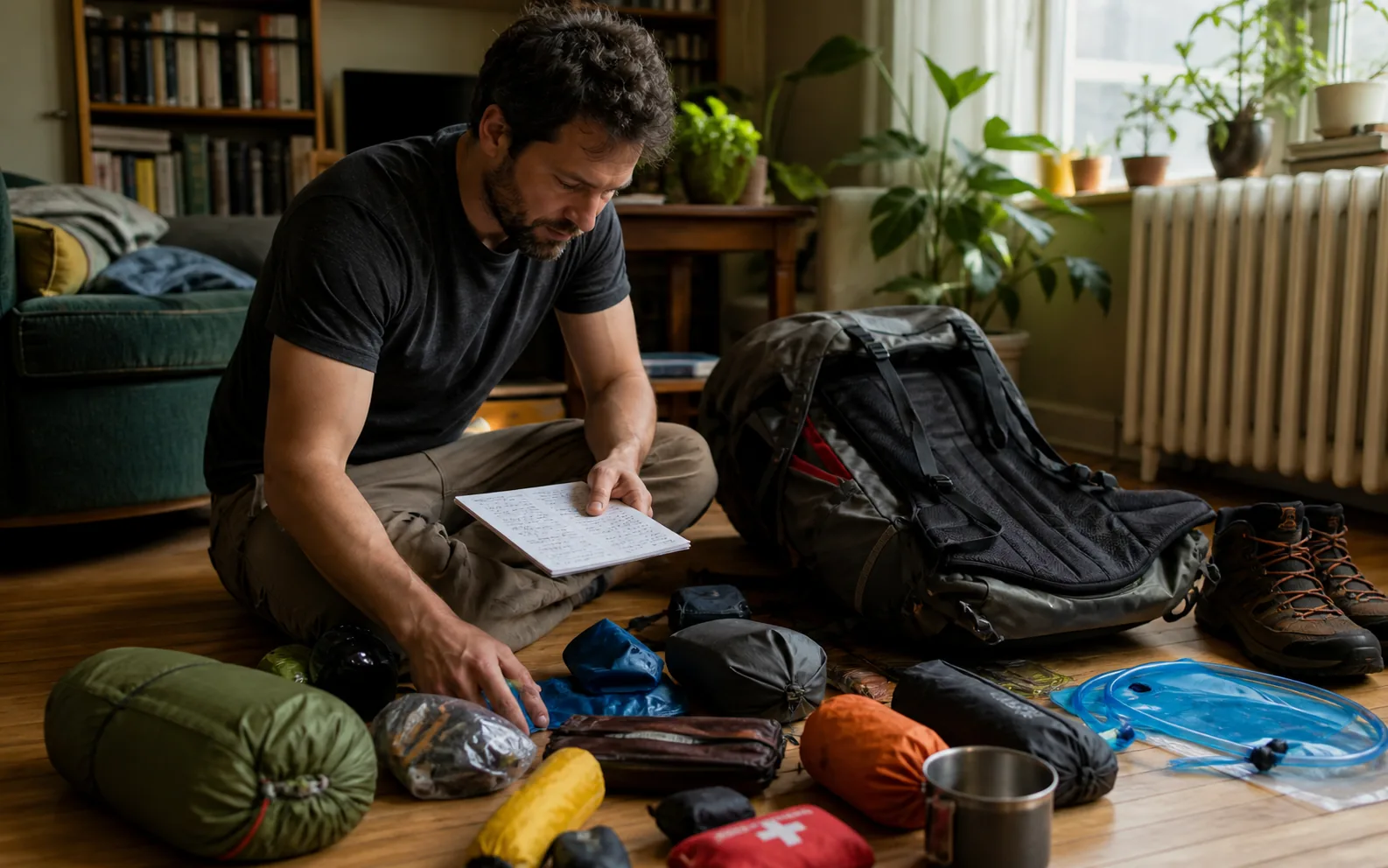
A clean photo hides sticky coatings, compressed foam, delaminated seams, and missing hardware. A useful used purchase begins with specific questions and enough time to inspect every high-wear area.
That scene is the editorial filter for this guide. Specifications are useful only when they help with comfort, safety, access, durability, or a simpler routine. We separate those useful signals from features that mainly make a product page look busy.
Buying priorities
Understand the failure mode
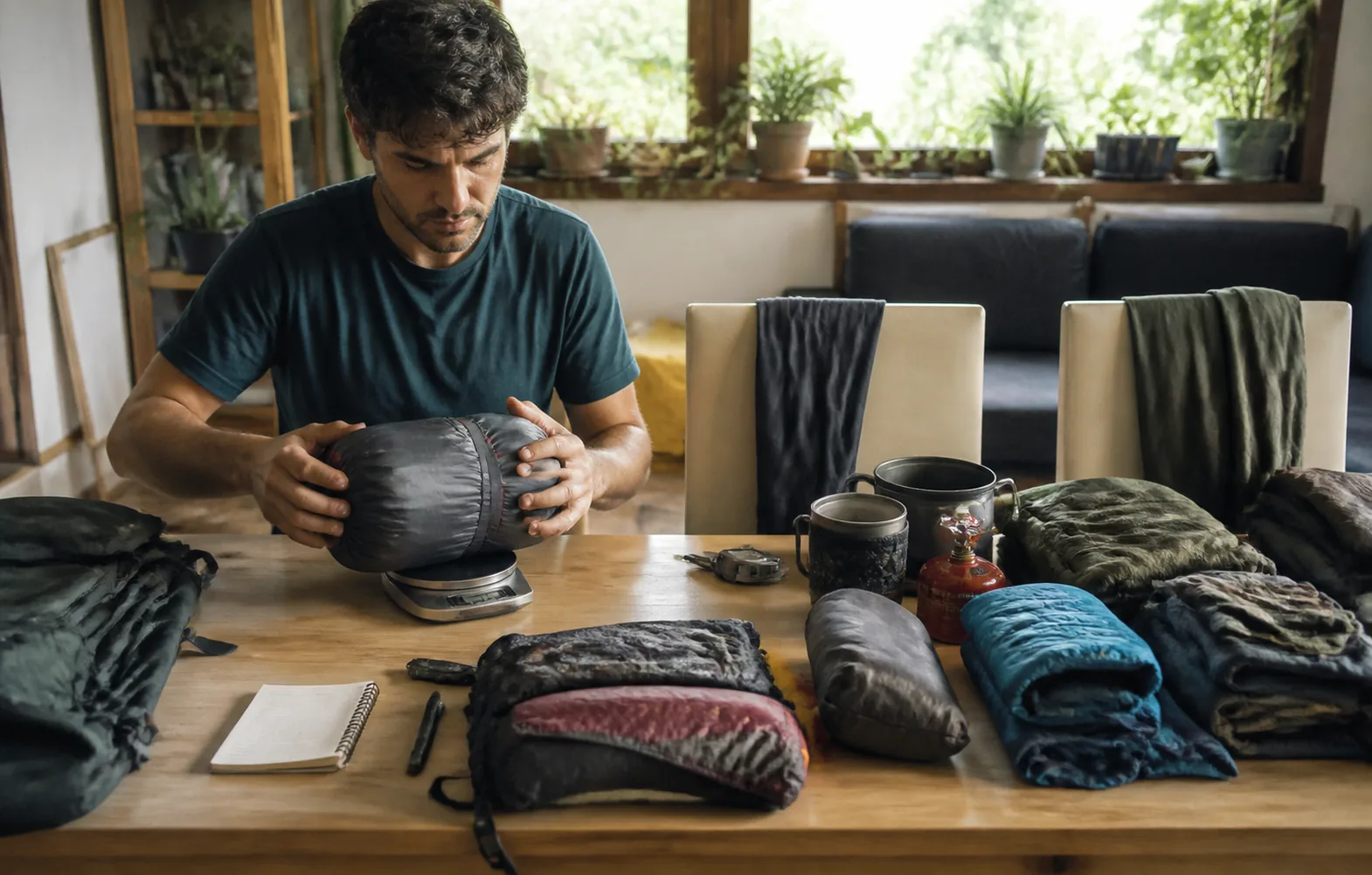
Ask what age, storage, abrasion, UV, moisture, and repeated compression do to the item. Cosmetic wear and structural damage are not the same.
Inspect completeness
Confirm poles, stakes, valves, lids, straps, chargers, proprietary parts, and instructions. Replacement parts can erase the apparent saving.
Know when new is safer
Avoid unknown-history safety equipment where hidden damage or aging can have serious consequences. Follow manufacturer retirement guidance.
Use these priorities in order. If an option fails the first requirement, a lower weight, brighter color, or promotional price does not rescue it. Write the tradeoff down before buying so the final choice remains connected to the trip.
Practical options
Good used candidates
Best forPacks, cookware, trekking poles, and simple tools
Straight hardware, clean function, and available parts
TradeoffFit and warranty may differ from new
Inspect carefully
Best forTents, sleeping bags, pads, and electronics
Dry storage, working seams or valves, and battery condition
TradeoffHidden degradation is possible
Usually buy new or verified
Best forSafety-critical and hygiene-sensitive equipment
Known history, current certification, and manufacturer support
TradeoffHigher upfront cost
Merchant and official links open in a new tab. Hike Kit Guide does not display a price unless there is a reliable update process, so confirm current availability, specifications, shipping, and returns at the destination.
Field checklist
- Ask age, use, storage, and repair history
- Inspect every seam, buckle, valve, and connector
- Calculate missing-part cost
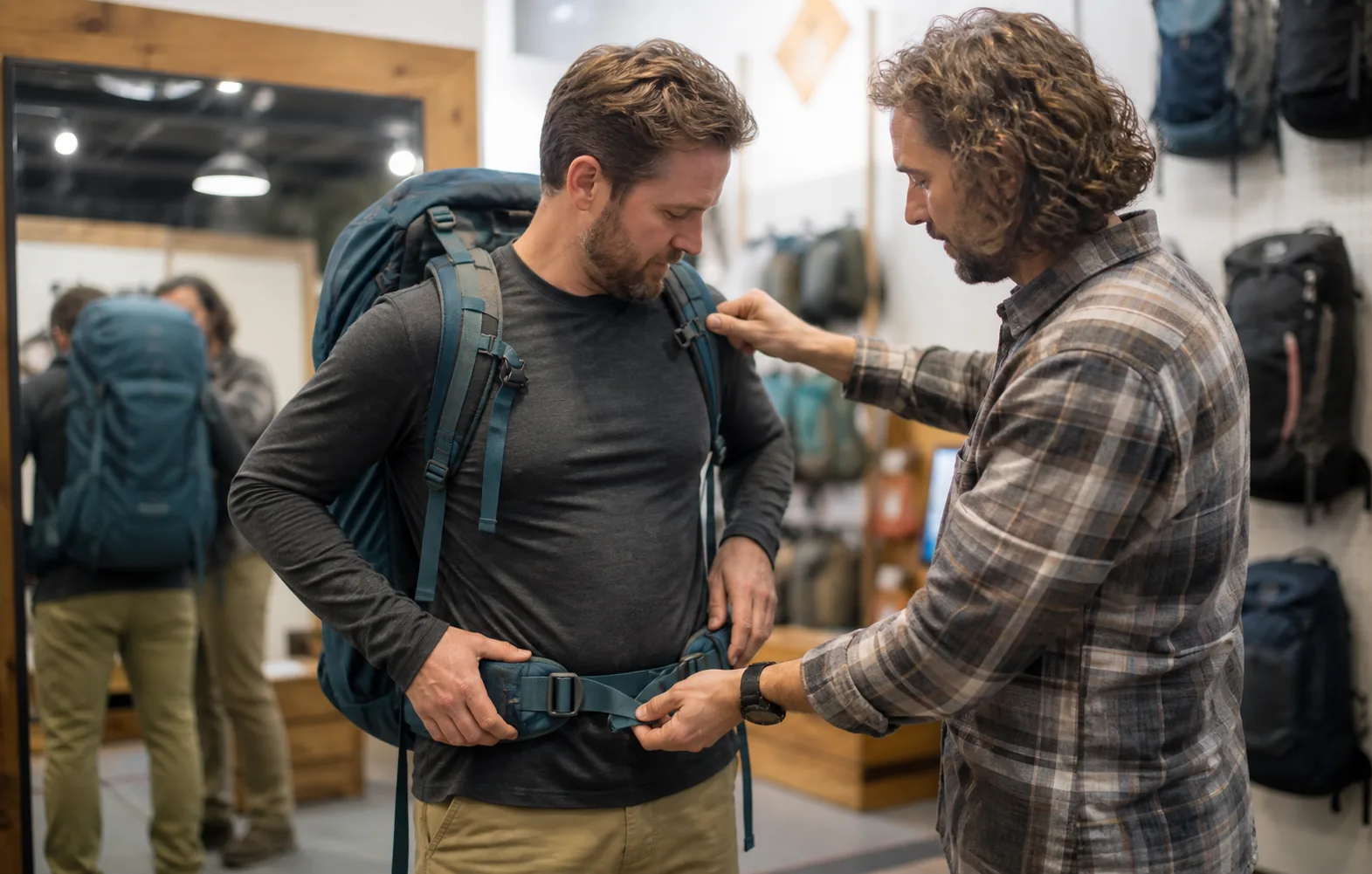
- Verify fit before payment
- Clean according to manufacturer instructions
Run this checklist at home, then once again at the trailhead or accommodation. A short repeat catches the forgotten charger, unfilled bottle, loose strap, or access notice that can change the day.
Mistakes and field notes
Avoid these mistakes
- Buying from one flattering photo
- Assuming an unused old item has not aged
- Ignoring return options for fit-dependent gear
Use it well
- Meet in a safe public place with enough daylight to inspect.
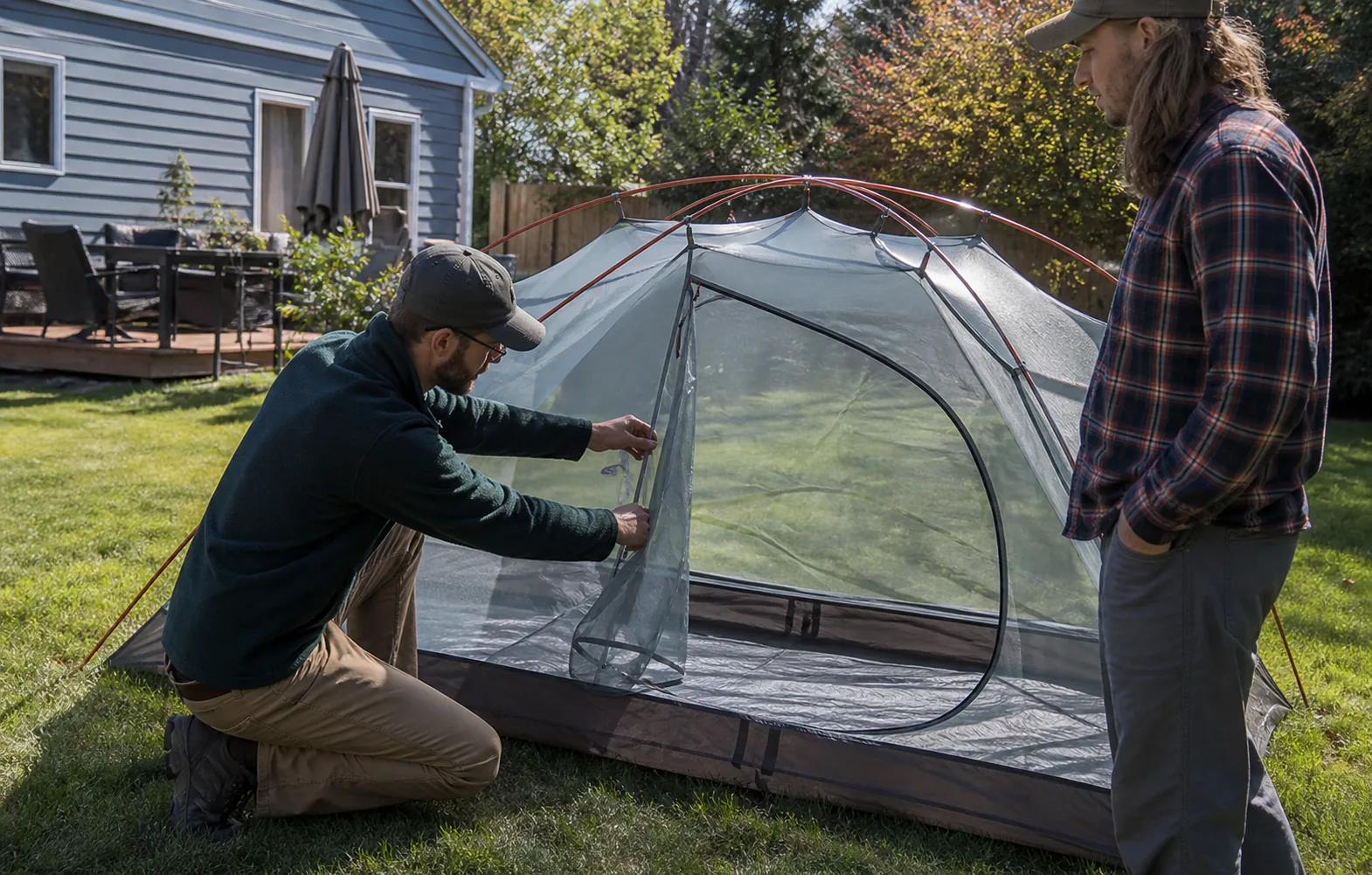
- Inflate pads and pitch tents when practical.
- A fair used price accounts for remaining life, missing warranty, and cleaning—not only original retail price.
Good equipment reduces friction, but judgment still determines the margin. Conditions, regulations, fit, and personal needs can change after this article is published. Recheck the linked primary source and make the conservative choice when the situation differs from the guide.
Frequently asked questions
What matters most when using this how to?
Used packs, cookware, simple tools, and some shelters can offer good value after inspection. Be more cautious with safety-critical climbing equipment, unknown-life-support items, degraded waterproof fabrics, and products with hidden damage.
Should I buy the lightest option?
Only if it still fits the conditions and your routine. Reliability, comfort, weather protection, and simple operation usually matter more than saving a small amount of weight.
How should I make the final choice?
Write down the conditions you expect, the load or duration involved, and the one tradeoff you are willing to accept. Compare current specifications and return policies before ordering.
Sources and update note
Last checked: 2026-01-05
We use official land-manager, route, manufacturer, or current retailer information where available. External pages can change.